[{"schema_version":1,"slug":"how-many-days-do-you-need-in-lisbon-a-practical-guide","title":"How Many Days Do You Need in Lisbon? A Practical Guide","meta_title":"How Many Days Do You Need in Lisbon? A Practical Guide | LisTours","meta_description":"Planning a Lisbon trip and wondering how long to stay?","excerpt":"Planning a Lisbon trip and wondering how long to stay?","canonical":"https://listours.pt/guides/how-many-days-do-you-need-in-lisbon-a-practical-guide/","destination":"Lisbon?","content":"\u003cp\u003e# How Many Days Do You Need in Lisbon?\u003c/p\u003e\n\u003cp\u003eLisbon rewards patience. Portugal's capital sprawls across seven hills above the Tagus estuary, and its neighborhoods shift in character so completely from one to the next that rushing between them feels like a minor crime. Most visitors wonder whether a long weekend is enough or whether a full week is excessive. The honest answer depends on what kind of traveler you are.\u003c/p\u003e\n\u003cblockquote class=\"guide-callout\"\u003e\u003cstrong\u003eKey Takeaways\u003c/strong\u003e - Three days covers Lisbon's essential highlights comfortably for most first-time visitors. - Four to five days lets you add day trips to Sintra, Cascais, or Setúbal without feeling rushed. - A full week suits travelers who want to settle into a neighborhood, eat slowly, and visit smaller museums. - Lisbon's hills and cobblestones mean every itinerary should build in unscheduled walking time.\u003c/blockquote\u003e\n\u003ch2\u003eThe Short Answer: Three Days Is the Practical Minimum\u003c/h2\u003e\n\u003cp\u003eThree days gives a first-time visitor enough time to cover the neighborhoods and landmarks that define the city's character without sprinting from site to site. You can walk Alfama in the morning, ride Tram 28 at least once, stand on a miradouro at sunset, and still sit long enough at a restaurant to order a second glass of wine.\u003c/p\u003e\n\u003cp\u003eThat said, three days works best when you stay somewhere central—Baixa, Chiado, or Mouraria—so that moving between neighborhoods costs minutes rather than half an hour of transit.\u003c/p\u003e\n\u003cp\u003eWhat three days does not leave room for: day trips, the Belém Tower with any sense of leisure, the Museu Nacional do Azulejo explored at an unhurried pace, or the kind of afternoon where you simply follow a street because it looks interesting.\u003c/p\u003e\n\u003ch2\u003eFour to Five Days: The Sweet Spot for Most Visitors\u003c/h2\u003e\n\u003cp\u003eFor most travelers, four or five days is the length at which Lisbon starts to feel like a place you are inhabiting rather than consuming. By day four you have a favorite pastelaria, you know which miradouro gets crowded at golden hour, and you have already eaten the prego sandwich twice.\u003c/p\u003e\n\u003cp\u003eThis range also opens the city outward. Sintra, the UNESCO-listed palace town in the hills 40 minutes west by train, is genuinely worth a full day and is best treated as a day trip rather than a rushed afternoon. Cascais, further along the same Linha de Cascais, offers a calmer Atlantic-coast alternative. Both are reachable on the same regional rail ticket from Cais do Sodré station.\u003c/p\u003e\n\u003cdiv class=\"guide-comparison overflow-x-auto my-10\" role=\"region\" aria-label=\"Scrollable comparison table\" tabindex=\"0\"\u003e\u003ctable class=\"w-full min-w-[620px] border-collapse text-left text-sm\"\u003e\u003cthead\u003e\u003ctr\u003e\u003cth\u003eDuration\u003c/th\u003e\u003cth\u003eWhat It Covers\u003c/th\u003e\u003cth\u003eBest For\u003c/th\u003e\u003c/tr\u003e\u003c/thead\u003e\u003ctbody\u003e\u003ctr\u003e\u003ctd\u003e2 days\u003c/td\u003e\u003ctd\u003eAlfama, Belém, one miradouro\u003c/td\u003e\u003ctd\u003eStopover travelers\u003c/td\u003e\u003c/tr\u003e\u003ctr\u003e\u003ctd\u003e3 days\u003c/td\u003e\u003ctd\u003eCore neighborhoods, main museums, Baixa/Chiado\u003c/td\u003e\u003ctd\u003eFirst-time visitors on a budget of time\u003c/td\u003e\u003c/tr\u003e\u003ctr\u003e\u003ctd\u003e4–5 days\u003c/td\u003e\u003ctd\u003eAll of the above plus Sintra or Cascais day trip\u003c/td\u003e\u003ctd\u003eMost leisure travelers\u003c/td\u003e\u003c/tr\u003e\u003ctr\u003e\u003ctd\u003e6–7 days\u003c/td\u003e\u003ctd\u003eFull city depth, LX Factory, Mouraria, Parque das Nações, second day trip\u003c/td\u003e\u003ctd\u003eSlow travelers, return visitors\u003c/td\u003e\u003c/tr\u003e\u003c/tbody\u003e\u003c/table\u003e\u003c/div\u003e\n\u003ch2\u003eTwo Days: Possible, but Accept the Trade-offs\u003c/h2\u003e\n\u003cp\u003eA two-day visit is feasible if you plan carefully and accept that you are getting an impression of Lisbon rather than an understanding of it. Prioritize ruthlessly: Alfama and the São Jorge Castle in the morning of day one, Belém and the Jerónimos Monastery on day two, with Chiado's bookshops and cafés as a linking thread in the evenings.\u003c/p\u003e\n\u003cp\u003eThe main cost of two days is not exhaustion—Lisbon is a walkable, manageable city—but rather the absence of serendipity. The neighborhoods that reveal themselves on an aimless afternoon, the azulejo-tiled staircase you find by accident, the small fado bar a local recommends at dinner: these require time you will not have.\u003c/p\u003e\n\u003ch2\u003eA Full Week: Who Actually Needs It\u003c/h2\u003e\n\u003cp\u003eA week in Lisbon is not too long, but it benefits from a particular temperament. If you are the kind of traveler who reads a city through its secondary museums, its markets, its residential streets in the early morning before tourists arrive, then seven days will feel appropriately full.\u003c/p\u003e\n\u003cp\u003eA week also suits travelers combining Lisbon with the wider region. The Arrábida Natural Park, with its limestone cliffs and turquoise water, is an easy day trip south of the city. The Setúbal Peninsula, the town of Évora in the Alentejo, and the beaches of the Costa Vicentina are all within reach for those with a hire car or willingness to take regional buses.\u003c/p\u003e\n\u003cp\u003ePractical addition for a seventh day: the neighborhood of Mouraria, Lisbon's historically Moorish quarter and now one of its most culturally layered, deserves an unhurried morning. The LX Factory, a converted industrial complex on the river in Alcântara, is best visited on a Sunday when its weekly market fills the courtyard.\u003c/p\u003e\n\u003ch2\u003ePlanning Around Lisbon's Hills\u003c/h2\u003e\n\u003cp\u003eNo honest guide to Lisbon itineraries ignores the hills. The city's topography is not incidental; it shapes how long things actually take. What looks like a ten-minute walk on a map may involve a climb that slows you down, especially in summer heat.\u003c/p\u003e\n\u003cp\u003eA few practical points that affect your day count:\u003c/p\u003e\n\u003cul\u003e\u003cli\u003e\u003cstrong\u003eTrams and elevadores\u003c/strong\u003e (the historic funiculars and the Santa Justa Lift) are scenic but slow and frequently crowded. Build them into the experience rather than relying on them for speed.\u003c/li\u003e\u003cli\u003e\u003cstrong\u003eComfortable shoes are not optional.\u003c/strong\u003e Lisbon's calçada portuguesa—the hand-laid black and white limestone cobblestones—are beautiful and uneven. Factor fatigue into afternoon planning.\u003c/li\u003e\u003cli\u003e\u003cstrong\u003eThe metro is fast and cheap\u003c/strong\u003e for longer cross-city journeys. The Green and Yellow lines connect most central neighborhoods efficiently.\u003c/li\u003e\u003cli\u003e\u003cstrong\u003eAlfama is best explored on foot in the morning\u003c/strong\u003e, before the organized tours and the heat arrive.\u003c/li\u003e\u003c/ul\u003e\n\u003ch2\u003eA Suggested Framework by Trip Length\u003c/h2\u003e\n\u003ch3\u003eTwo Days\u003c/h3\u003e\n\u003cul\u003e\u003cli\u003eDay 1: Alfama, São Jorge Castle, Miradouro das Portas do Sol, fado dinner\u003c/li\u003e\u003cli\u003eDay 2: Belém (Jerónimos Monastery, Monument to the Discoveries, pastéis de Belém), Chiado in the evening\u003c/li\u003e\u003c/ul\u003e\n\u003ch3\u003eThree Days\u003c/h3\u003e\n\u003cul\u003e\u003cli\u003eDay 1: Alfama and Mouraria\u003c/li\u003e\u003cli\u003eDay 2: Belém and Ajuda\u003c/li\u003e\u003cli\u003eDay 3: Baixa, Chiado, Bairro Alto, rooftop sunset\u003c/li\u003e\u003c/ul\u003e\n\u003ch3\u003eFour to Five Days\u003c/h3\u003e\n\u003cul\u003e\u003cli\u003eDays 1–3 as above\u003c/li\u003e\u003cli\u003eDay 4: Day trip to Sintra\u003c/li\u003e\u003cli\u003eDay 5: LX Factory (Sunday market), Parque das Nações, or Cascais\u003c/li\u003e\u003c/ul\u003e\n\u003ch3\u003eSix to Seven Days\u003c/h3\u003e\n\u003cul\u003e\u003cli\u003eDays 1–5 as above\u003c/li\u003e\u003cli\u003eDay 6: Museu Nacional do Azulejo, Museu do Oriente, riverside walk to Belém at sunset\u003c/li\u003e\u003cli\u003eDay 7: Setúbal, Arrábida, or Évora by car or bus\u003c/li\u003e\u003c/ul\u003e\n\u003ch2\u003eFrequently Asked Questions\u003c/h2\u003e\n\u003ch3\u003eIs three days enough to see Lisbon?\u003c/h3\u003e\n\u003cp\u003eThree days covers Lisbon's main neighborhoods and landmarks comfortably for a first-time visitor. You will see Alfama, Belém, the main miradouros, and Baixa/Chiado. What you will not have time for is day trips or slow, unplanned exploration.\u003c/p\u003e\n\u003ch3\u003eCan you do Sintra and Lisbon in three days?\u003c/h3\u003e\n\u003cp\u003eYes, but it requires treating Sintra as a full day trip and accepting that one of your three Lisbon days becomes a Sintra day. It is more comfortable to plan Sintra as the fourth day if your schedule allows.\u003c/p\u003e\n\u003ch3\u003eWhat is the best time of year to visit Lisbon?\u003c/h3\u003e\n\u003cp\u003eSpring (April and May) and early autumn (September and October) offer mild temperatures, manageable crowds, and reliable sunshine. July and August are the hottest and busiest months. Winter is mild by northern European standards and significantly quieter, though some attractions keep reduced hours.\u003c/p\u003e\n\u003ch3\u003eIs Lisbon expensive?\u003c/h3\u003e\n\u003cp\u003eLisbon has become more expensive in recent years as it has grown in international popularity, but it remains more affordable than comparable western European capitals. Transport, coffee, and local restaurants in non-tourist neighborhoods represent good value. Accommodation prices vary widely depending on neighborhood and season.\u003c/p\u003e\n\u003ch2\u003eThe Honest Recommendation\u003c/h2\u003e\n\u003cp\u003eGo for four days if you can. Three is enough to leave satisfied; four is enough to leave wanting to come back. That, arguably, is the better outcome.\u003c/p\u003e\n\u003cp\u003eLisbon is a city that does not require you to optimize your itinerary to the hour. Its best moments tend to arrive when you stop following a plan—the view from a miradouro you found by taking a wrong turn, the tile shop in a side street in Santos, the conversation at a counter with an elderly man eating soup alone. Those moments need time, not a tighter schedule.\u003c/p\u003e","faq":[],"quick_facts":[],"mistakes":[],"related_tours":[],"related_guides":[],"guide_images":{"schema_version":1,"hero":{"asset_id":"pexels-4330076-828e1a27b3b1","src":"/images/guides/how-many-days-do-you-need-in-lisbon-a-practical-guide-pexels-4330076-828e1a27b3b1.webp","path":"/images/guides/how-many-days-do-you-need-in-lisbon-a-practical-guide-pexels-4330076-828e1a27b3b1.webp","alt":"Amazing view of Lisbon City slope under clear blue sky on beautiful day in summertime","width":1880,"height":1254,"destination":"Lisbon?","subjects":["Lisbon?","Portugal"],"usage":"hero","format":"webp","provider":"pexels","source_page":"https://www.pexels.com/photo/scenic-cityscape-of-lisbon-under-blue-summer-sky-4330076/","source_url":"https://images.pexels.com/photos/4330076/pexels-photo-4330076.jpeg?auto=compress\u0026cs=tinysrgb\u0026dpr=2\u0026h=650\u0026w=940","original_metadata":{"provider":"pexels","source_url":"https://images.pexels.com/photos/4330076/pexels-photo-4330076.jpeg?auto=compress\u0026cs=tinysrgb\u0026dpr=2\u0026h=650\u0026w=940","source_page_url":"https://www.pexels.com/photo/scenic-cityscape-of-lisbon-under-blue-summer-sky-4330076/","title":"Amazing view of Lisbon City slope under clear blue sky on beautiful day in summertime","creator":"ArtHouse Studio","license":"Pexels License","license_url":"https://www.pexels.com/license/","width":7952,"height":5304,"subjects":["Amazing view of Lisbon City slope under clear blue sky on beautiful day in summertime"],"provider_photo_id":"4330076","creator_url":"https://www.pexels.com/@arthousestudio","original_url":"https://images.pexels.com/photos/4330076/pexels-photo-4330076.jpeg","orientation":"landscape"},"photographer":"ArtHouse Studio","checksum":"828e1a27b3b1fc9afe0563fd9699e3795c2c8db6f5bccee9bd7bdb561d6f39e0","content_hash":"828e1a27b3b1fc9afe0563fd9699e3795c2c8db6f5bccee9bd7bdb561d6f39e0","validated":true},"inline":[],"requested_inline":0,"selected_inline":0,"shortfall_reason":null},"hero_image":{"asset_id":"pexels-4330076-828e1a27b3b1","src":"/images/guides/how-many-days-do-you-need-in-lisbon-a-practical-guide-pexels-4330076-828e1a27b3b1.webp","path":"/images/guides/how-many-days-do-you-need-in-lisbon-a-practical-guide-pexels-4330076-828e1a27b3b1.webp","alt":"Amazing view of Lisbon City slope under clear blue sky on beautiful day in summertime","width":1880,"height":1254,"destination":"Lisbon?","subjects":["Lisbon?","Portugal"],"usage":"hero","format":"webp","provider":"pexels","source_page":"https://www.pexels.com/photo/scenic-cityscape-of-lisbon-under-blue-summer-sky-4330076/","source_url":"https://images.pexels.com/photos/4330076/pexels-photo-4330076.jpeg?auto=compress\u0026cs=tinysrgb\u0026dpr=2\u0026h=650\u0026w=940","original_metadata":{"provider":"pexels","source_url":"https://images.pexels.com/photos/4330076/pexels-photo-4330076.jpeg?auto=compress\u0026cs=tinysrgb\u0026dpr=2\u0026h=650\u0026w=940","source_page_url":"https://www.pexels.com/photo/scenic-cityscape-of-lisbon-under-blue-summer-sky-4330076/","title":"Amazing view of Lisbon City slope under clear blue sky on beautiful day in summertime","creator":"ArtHouse Studio","license":"Pexels License","license_url":"https://www.pexels.com/license/","width":7952,"height":5304,"subjects":["Amazing view of Lisbon City slope under clear blue sky on beautiful day in summertime"],"provider_photo_id":"4330076","creator_url":"https://www.pexels.com/@arthousestudio","original_url":"https://images.pexels.com/photos/4330076/pexels-photo-4330076.jpeg","orientation":"landscape"},"photographer":"ArtHouse Studio","checksum":"828e1a27b3b1fc9afe0563fd9699e3795c2c8db6f5bccee9bd7bdb561d6f39e0","content_hash":"828e1a27b3b1fc9afe0563fd9699e3795c2c8db6f5bccee9bd7bdb561d6f39e0","validated":true},"featured_image":{"asset_id":"pexels-4330076-828e1a27b3b1","src":"/images/guides/how-many-days-do-you-need-in-lisbon-a-practical-guide-pexels-4330076-828e1a27b3b1.webp","path":"/images/guides/how-many-days-do-you-need-in-lisbon-a-practical-guide-pexels-4330076-828e1a27b3b1.webp","alt":"Amazing view of Lisbon City slope under clear blue sky on beautiful day in summertime","width":1880,"height":1254,"destination":"Lisbon?","subjects":["Lisbon?","Portugal"],"usage":"hero","format":"webp","provider":"pexels","source_page":"https://www.pexels.com/photo/scenic-cityscape-of-lisbon-under-blue-summer-sky-4330076/","source_url":"https://images.pexels.com/photos/4330076/pexels-photo-4330076.jpeg?auto=compress\u0026cs=tinysrgb\u0026dpr=2\u0026h=650\u0026w=940","original_metadata":{"provider":"pexels","source_url":"https://images.pexels.com/photos/4330076/pexels-photo-4330076.jpeg?auto=compress\u0026cs=tinysrgb\u0026dpr=2\u0026h=650\u0026w=940","source_page_url":"https://www.pexels.com/photo/scenic-cityscape-of-lisbon-under-blue-summer-sky-4330076/","title":"Amazing view of Lisbon City slope under clear blue sky on beautiful day in summertime","creator":"ArtHouse Studio","license":"Pexels License","license_url":"https://www.pexels.com/license/","width":7952,"height":5304,"subjects":["Amazing view of Lisbon City slope under clear blue sky on beautiful day in summertime"],"provider_photo_id":"4330076","creator_url":"https://www.pexels.com/@arthousestudio","original_url":"https://images.pexels.com/photos/4330076/pexels-photo-4330076.jpeg","orientation":"landscape"},"photographer":"ArtHouse Studio","checksum":"828e1a27b3b1fc9afe0563fd9699e3795c2c8db6f5bccee9bd7bdb561d6f39e0","content_hash":"828e1a27b3b1fc9afe0563fd9699e3795c2c8db6f5bccee9bd7bdb561d6f39e0","validated":true},"image":{"asset_id":"pexels-4330076-828e1a27b3b1","src":"/images/guides/how-many-days-do-you-need-in-lisbon-a-practical-guide-pexels-4330076-828e1a27b3b1.webp","path":"/images/guides/how-many-days-do-you-need-in-lisbon-a-practical-guide-pexels-4330076-828e1a27b3b1.webp","alt":"Amazing view of Lisbon City slope under clear blue sky on beautiful day in summertime","width":1880,"height":1254,"destination":"Lisbon?","subjects":["Lisbon?","Portugal"],"usage":"hero","format":"webp","provider":"pexels","source_page":"https://www.pexels.com/photo/scenic-cityscape-of-lisbon-under-blue-summer-sky-4330076/","source_url":"https://images.pexels.com/photos/4330076/pexels-photo-4330076.jpeg?auto=compress\u0026cs=tinysrgb\u0026dpr=2\u0026h=650\u0026w=940","original_metadata":{"provider":"pexels","source_url":"https://images.pexels.com/photos/4330076/pexels-photo-4330076.jpeg?auto=compress\u0026cs=tinysrgb\u0026dpr=2\u0026h=650\u0026w=940","source_page_url":"https://www.pexels.com/photo/scenic-cityscape-of-lisbon-under-blue-summer-sky-4330076/","title":"Amazing view of Lisbon City slope under clear blue sky on beautiful day in summertime","creator":"ArtHouse Studio","license":"Pexels License","license_url":"https://www.pexels.com/license/","width":7952,"height":5304,"subjects":["Amazing view of Lisbon City slope under clear blue sky on beautiful day in summertime"],"provider_photo_id":"4330076","creator_url":"https://www.pexels.com/@arthousestudio","original_url":"https://images.pexels.com/photos/4330076/pexels-photo-4330076.jpeg","orientation":"landscape"},"photographer":"ArtHouse Studio","checksum":"828e1a27b3b1fc9afe0563fd9699e3795c2c8db6f5bccee9bd7bdb561d6f39e0","content_hash":"828e1a27b3b1fc9afe0563fd9699e3795c2c8db6f5bccee9bd7bdb561d6f39e0","validated":true},"content_images":[],"status":"PUBLISHED","version":1,"created_at":"2026-11-05T21:45:57.248047+00:00","updated_at":"2026-11-05T21:48:03.449117+00:00","published_at":"2026-11-05T21:48:03.449117+00:00","source":"claude-blog-approved-artifact","search_intent":{"intent":"INFORMATIONAL","confidence":1.0,"reason":"Explicitly approved blog Guide"},"content_hash":"e5682dceeaeb7cd824b877868554ef7cba55ab63e4b998ddcf9aca4e4b765b5d","editorial_format_version":0,"semantic_sections":[],"callouts":[],"comparison_blocks":[],"contextual_cta":{"eyebrow":"Tailor-made Portugal","title":"Turn your research into a private journey","body":"Ask LisTours to shape an itinerary around your interests, pace, and time in Portugal.","href":"/contact/","label":"Inquire Now"},"target_query":"How Many Days Do You Need in Lisbon? A Practical Guide"}]
Travel Guide · Lisbon?
How Many Days Do You Need in Lisbon? A Practical Guide
Planning a Lisbon trip and wondering how long to stay?
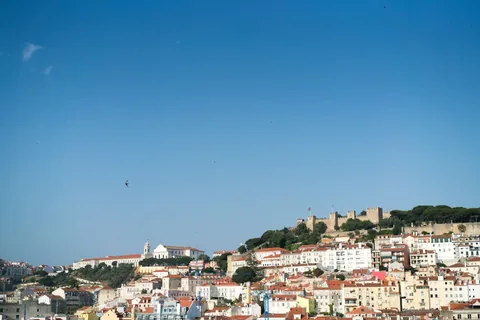
Lisbon rewards patience. Portugal's capital sprawls across seven hills above the Tagus estuary, and its neighborhoods shift in character so completely from one to the next that rushing between them feels like a minor crime. Most visitors wonder whether a long weekend is enough or whether a full week is excessive. The honest answer depends on what kind of traveler you are.
Key Takeaways - Three days covers Lisbon's essential highlights comfortably for most first-time visitors. - Four to five days lets you add day trips to Sintra, Cascais, or Setúbal without feeling rushed. - A full week suits travelers who want to settle into a neighborhood, eat slowly, and visit smaller museums. - Lisbon's hills and cobblestones mean every itinerary should build in unscheduled walking time.
The Short Answer: Three Days Is the Practical Minimum
Three days gives a first-time visitor enough time to cover the neighborhoods and landmarks that define the city's character without sprinting from site to site. You can walk Alfama in the morning, ride Tram 28 at least once, stand on a miradouro at sunset, and still sit long enough at a restaurant to order a second glass of wine.
That said, three days works best when you stay somewhere central—Baixa, Chiado, or Mouraria—so that moving between neighborhoods costs minutes rather than half an hour of transit.
What three days does not leave room for: day trips, the Belém Tower with any sense of leisure, the Museu Nacional do Azulejo explored at an unhurried pace, or the kind of afternoon where you simply follow a street because it looks interesting.
Four to Five Days: The Sweet Spot for Most Visitors
For most travelers, four or five days is the length at which Lisbon starts to feel like a place you are inhabiting rather than consuming. By day four you have a favorite pastelaria, you know which miradouro gets crowded at golden hour, and you have already eaten the prego sandwich twice.
This range also opens the city outward. Sintra, the UNESCO-listed palace town in the hills 40 minutes west by train, is genuinely worth a full day and is best treated as a day trip rather than a rushed afternoon. Cascais, further along the same Linha de Cascais, offers a calmer Atlantic-coast alternative. Both are reachable on the same regional rail ticket from Cais do Sodré station.
Duration
What It Covers
Best For
2 days
Alfama, Belém, one miradouro
Stopover travelers
3 days
Core neighborhoods, main museums, Baixa/Chiado
First-time visitors on a budget of time
4–5 days
All of the above plus Sintra or Cascais day trip
Most leisure travelers
6–7 days
Full city depth, LX Factory, Mouraria, Parque das Nações, second day trip
Slow travelers, return visitors
Two Days: Possible, but Accept the Trade-offs
A two-day visit is feasible if you plan carefully and accept that you are getting an impression of Lisbon rather than an understanding of it. Prioritize ruthlessly: Alfama and the São Jorge Castle in the morning of day one, Belém and the Jerónimos Monastery on day two, with Chiado's bookshops and cafés as a linking thread in the evenings.
The main cost of two days is not exhaustion—Lisbon is a walkable, manageable city—but rather the absence of serendipity. The neighborhoods that reveal themselves on an aimless afternoon, the azulejo-tiled staircase you find by accident, the small fado bar a local recommends at dinner: these require time you will not have.
A Full Week: Who Actually Needs It
A week in Lisbon is not too long, but it benefits from a particular temperament. If you are the kind of traveler who reads a city through its secondary museums, its markets, its residential streets in the early morning before tourists arrive, then seven days will feel appropriately full.
A week also suits travelers combining Lisbon with the wider region. The Arrábida Natural Park, with its limestone cliffs and turquoise water, is an easy day trip south of the city. The Setúbal Peninsula, the town of Évora in the Alentejo, and the beaches of the Costa Vicentina are all within reach for those with a hire car or willingness to take regional buses.
Practical addition for a seventh day: the neighborhood of Mouraria, Lisbon's historically Moorish quarter and now one of its most culturally layered, deserves an unhurried morning. The LX Factory, a converted industrial complex on the river in Alcântara, is best visited on a Sunday when its weekly market fills the courtyard.
Planning Around Lisbon's Hills
No honest guide to Lisbon itineraries ignores the hills. The city's topography is not incidental; it shapes how long things actually take. What looks like a ten-minute walk on a map may involve a climb that slows you down, especially in summer heat.
A few practical points that affect your day count:
Trams and elevadores (the historic funiculars and the Santa Justa Lift) are scenic but slow and frequently crowded. Build them into the experience rather than relying on them for speed.
Comfortable shoes are not optional. Lisbon's calçada portuguesa—the hand-laid black and white limestone cobblestones—are beautiful and uneven. Factor fatigue into afternoon planning.
The metro is fast and cheap for longer cross-city journeys. The Green and Yellow lines connect most central neighborhoods efficiently.
Alfama is best explored on foot in the morning, before the organized tours and the heat arrive.
A Suggested Framework by Trip Length
Two Days
Day 1: Alfama, São Jorge Castle, Miradouro das Portas do Sol, fado dinner
Day 2: Belém (Jerónimos Monastery, Monument to the Discoveries, pastéis de Belém), Chiado in the evening
Three Days
Day 1: Alfama and Mouraria
Day 2: Belém and Ajuda
Day 3: Baixa, Chiado, Bairro Alto, rooftop sunset
Four to Five Days
Days 1–3 as above
Day 4: Day trip to Sintra
Day 5: LX Factory (Sunday market), Parque das Nações, or Cascais
Six to Seven Days
Days 1–5 as above
Day 6: Museu Nacional do Azulejo, Museu do Oriente, riverside walk to Belém at sunset
Day 7: Setúbal, Arrábida, or Évora by car or bus
Frequently Asked Questions
Is three days enough to see Lisbon?
Three days covers Lisbon's main neighborhoods and landmarks comfortably for a first-time visitor. You will see Alfama, Belém, the main miradouros, and Baixa/Chiado. What you will not have time for is day trips or slow, unplanned exploration.
Can you do Sintra and Lisbon in three days?
Yes, but it requires treating Sintra as a full day trip and accepting that one of your three Lisbon days becomes a Sintra day. It is more comfortable to plan Sintra as the fourth day if your schedule allows.
What is the best time of year to visit Lisbon?
Spring (April and May) and early autumn (September and October) offer mild temperatures, manageable crowds, and reliable sunshine. July and August are the hottest and busiest months. Winter is mild by northern European standards and significantly quieter, though some attractions keep reduced hours.
Is Lisbon expensive?
Lisbon has become more expensive in recent years as it has grown in international popularity, but it remains more affordable than comparable western European capitals. Transport, coffee, and local restaurants in non-tourist neighborhoods represent good value. Accommodation prices vary widely depending on neighborhood and season.
The Honest Recommendation
Go for four days if you can. Three is enough to leave satisfied; four is enough to leave wanting to come back. That, arguably, is the better outcome.
Lisbon is a city that does not require you to optimize your itinerary to the hour. Its best moments tend to arrive when you stop following a plan—the view from a miradouro you found by taking a wrong turn, the tile shop in a side street in Santos, the conversation at a counter with an elderly man eating soup alone. Those moments need time, not a tighter schedule.