[{"schema_version":1,"slug":"how-to-avoid-scams-in-lisbon-a-practical-guide-for-visitors","title":"How to Avoid Scams in Lisbon: A Practical Guide for Visitors","meta_title":"How to Avoid Scams in Lisbon: A Practical Guide for Visitors","meta_description":"Common scams targeting tourists in Lisbon, from fake taxi drivers to street games, and the practical steps you can take to stay safe and enjoy the city.","excerpt":"Common scams targeting tourists in Lisbon, from fake taxi drivers to street games, and the practical steps you can take to stay safe and enjoy the city.","canonical":"https://listours.pt/guides/how-to-avoid-scams-in-lisbon-a-practical-guide-for-visitors/","destination":"Lisbon","content":"\u003cp\u003eLisbon is one of Europe's most welcoming cities, and the overwhelming majority of interactions visitors have there are genuine and hospitable. That said, a small number of scams do target tourists, particularly around high-traffic areas like Alfama, Baixa, and the main tram routes. Knowing what to expect in advance is the single most effective defence.\u003c/p\u003e\n\u003cblockquote class=\"guide-callout\"\u003e\u003cstrong\u003eKey Takeaways\u003c/strong\u003e - The most common scams in Lisbon target tourists near crowded attractions, tram stops, and the airport taxi rank. - Booking licensed transport through official apps or hotel desks eliminates most taxi and transfer fraud. - Street games such as the shell-and-ball trick are illegal in Portugal; walking away without engaging is always the right move. - Pickpocketing is the most frequent incident reported by tourists, and it is almost always avoidable with simple bag habits. - Card skimming at ATMs is rare but real; using bank-affiliated machines inside branches reduces the risk significantly.\u003c/blockquote\u003e\n\u003ch2\u003eThe Taxi and Transfer Scam\u003c/h2\u003e\n\u003cp\u003eThis is the most frequently reported scam at Lisbon Portela Airport and at major cruise terminal arrivals. Unofficial drivers approach arriving passengers in the terminal building or on the pavement outside, offering flat-rate fares that sound reasonable but often end up two to four times the legitimate cost.\u003c/p\u003e\n\u003cp\u003e\u003cstrong\u003eHow to avoid it:\u003c/strong\u003e Use the official ANTRAL-licensed taxi rank outside arrivals, or book a pre-arranged transfer through a licensed operator before you land. The Uber and Bolt apps both operate legally in Lisbon and display the fare estimate before you confirm the ride. If you take a metered taxi, verify that the meter starts correctly and that the tariff displayed matches the time of day — Tariff 1 applies on weekdays during daytime hours, and Tariff 2 applies evenings, weekends, and public holidays.\u003c/p\u003e\n\u003cp\u003eNever accept a ride from someone who approaches you inside the terminal.\u003c/p\u003e\n\u003ch2\u003eThe Fake Tram 28 Ticket Seller\u003c/h2\u003e\n\u003cp\u003eTram 28, which climbs through Alfama and past São Jorge Castle, is one of Lisbon's most iconic experiences. It is also one of the city's most crowded tourist routes, which makes it a productive location for opportunists. On busy days, individuals sometimes approach the queue claiming to sell tickets that skip the wait. These tickets are either fake or ordinary paper that will not be accepted by the validator on board.\u003c/p\u003e\n\u003cp\u003e\u003cstrong\u003eHow to avoid it:\u003c/strong\u003e Buy your ticket directly from the driver when boarding, or load credit onto a rechargeable Viva Viagem card at any Carris/Metro ticket machine. These machines are easy to find at metro stations near the tram stops, including Martim Moniz. There is no official pre-sale of individual tram tickets from people standing on the pavement.\u003c/p\u003e\n\u003ch2\u003eThe Shell-and-Ball Street Game\u003c/h2\u003e\n\u003cp\u003eIn busy pedestrian areas — particularly around Praça do Comércio and Rua Augusta — you may encounter a small folding table with someone running a shell-and-ball or card-guessing game. A crowd of apparent spectators surrounds the table, and several people appear to be winning money. The winning spectators are almost always confederates of the operator, and the game is designed so that independent players cannot win.\u003c/p\u003e\n\u003cp\u003eParticipating in street gambling is illegal under Portuguese law. Police do conduct periodic sweeps of these operators, which means that any crowd around the table disperses quickly when officers appear — sometimes taking wallets with them in the confusion.\u003c/p\u003e\n\u003cp\u003e\u003cstrong\u003eHow to avoid it:\u003c/strong\u003e Do not stop, do not watch, and do not accept the invitation to play. The moment you make eye contact with the operator and slow your pace, a confederate may position themselves beside you. Keep walking.\u003c/p\u003e\n\u003ch2\u003ePickpocketing on Public Transport and at Viewpoints\u003c/h2\u003e\n\u003cp\u003ePickpocketing is by far the most common form of theft affecting tourists in Lisbon. It is most concentrated on the number 28 tram, the number 12 tram, the Santa Justa lift queue, and at the main miradouros (viewpoints) such as Miradouro da Graça and Portas do Sol. Typically it involves distraction — someone asking for directions, a map question, or a minor bump — while an accomplice accesses an unguarded bag or pocket.\u003c/p\u003e\n\u003cp\u003e\u003cstrong\u003eHow to avoid it:\u003c/strong\u003e Keep valuables in a front pocket or a zipped compartment of a bag worn across the front of your body. On crowded trams, hold your bag in front of you rather than letting it hang at your side or behind your back. Avoid keeping your phone in your back pocket while standing in a queue or on a moving tram. At viewpoints, set your bag down only in front of you, never beside or behind you while you photograph the view.\u003c/p\u003e\n\u003cp\u003eA neck wallet or money belt worn under clothing is the most secure option for passports and larger amounts of cash.\u003c/p\u003e\n\u003ch2\u003eATM Skimming and Card Fraud\u003c/h2\u003e\n\u003cp\u003eATM skimming — where a device fitted over the card slot captures card data — does occur in Portugal, though it is relatively uncommon compared to some other European cities. The higher-risk machines are standalone units in small shops, kiosks, and bars, particularly those that advertise multi-currency dispensing with dynamic currency conversion.\u003c/p\u003e\n\u003cp\u003e\u003cstrong\u003eHow to avoid it:\u003c/strong\u003e Use ATMs physically attached to a bank branch during its opening hours. These machines are inspected more regularly and are harder to tamper with undetected. Cover the keypad with your free hand when entering your PIN regardless of whether you can see a camera. Decline dynamic currency conversion when offered — the exchange rate applied is almost always worse than your own bank's rate, and it is a known upselling tactic rather than a security threat, though it feels like one.\u003c/p\u003e\n\u003cp\u003eCheck your bank statements promptly after any trip and report unfamiliar charges immediately.\u003c/p\u003e\n\u003ch2\u003eThe Friendship Bracelet and \"Free Gift\"\u003c/h2\u003e\n\u003cp\u003eNear the entrance to Alfama and at some craft market locations, individuals may approach you, make brief friendly conversation, and then tie a bracelet or thread onto your wrist before you can decline. Once it is on, they demand payment, sometimes aggressively. Variations involve handing you a small gift — a flower, a small figurine — and then requesting money when you accept it.\u003c/p\u003e\n\u003cp\u003e\u003cstrong\u003eHow to avoid it:\u003c/strong\u003e Keep your hands in your pockets or at your sides in crowded pedestrian areas where you notice this pattern. If someone reaches for your wrist, a clear and immediate \"no, thank you\" while stepping back ends the interaction before anything is tied. If something has already been placed in your hand, you can set it down; you are not legally obligated to pay for anything you did not ask for and did not agree to purchase.\u003c/p\u003e\n\u003ch2\u003eOvercharging at Restaurants and Cafés\u003c/h2\u003e\n\u003cp\u003eLisbon's dining scene is largely honest, but a small number of tourist-facing restaurants in the highest-traffic streets practice what is sometimes called the \"cover charge surprise.\" Bread, olives, butter, and small appetisers are placed on the table without being ordered. In Portugal it is standard practice for restaurants to charge for these items if they are consumed. The problem arises when the charge is not disclosed and turns out to be disproportionate.\u003c/p\u003e\n\u003cp\u003e\u003cstrong\u003eHow to avoid it:\u003c/strong\u003e Ask the server for the price of any item placed on the table that you did not order before consuming it. If you do not want it, hand it back. This is entirely normal and no offence is taken in a legitimate establishment. Check the menu for a stated cover charge (couvert) before ordering your meal. Review your bill before paying and ask for an itemised receipt if anything is unclear.\u003c/p\u003e\n\u003ch2\u003eWhat to Do If You Are Targeted\u003c/h2\u003e\n\u003cul\u003e\u003cli\u003e\u003cstrong\u003eStay calm and do not physically resist\u003c/strong\u003e if someone attempts to take your phone or bag. Report the incident to the nearest police officer or to the tourist police station at Rua Capelo 13 in Chiado, which handles English-language complaints.\u003c/li\u003e\u003cli\u003e\u003cstrong\u003eContact your bank immediately\u003c/strong\u003e if your cards are taken or if you believe your card details have been compromised.\u003c/li\u003e\u003cli\u003e\u003cstrong\u003eFile a report with the PSP (Polícia de Segurança Pública)\u003c/strong\u003e if you intend to make an insurance claim. Officers at the Chiado tourist police station are experienced with visitor incidents and can provide documentation in English.\u003c/li\u003e\u003cli\u003e\u003cstrong\u003eKeep a photograph of your passport\u003c/strong\u003e in a secure cloud location separate from your phone so that replacement paperwork is faster if documents are lost.\u003c/li\u003e\u003c/ul\u003e\n\u003ch2\u003eStaying Safe While Enjoying the City\u003c/h2\u003e\n\u003cp\u003eThe practical reality is that millions of people visit Lisbon every year without encountering any of the situations above. The city's streets are generally safe well into the evening, locals are genuinely helpful when asked for directions or recommendations, and the risk profile of Lisbon is considerably lower than many comparable European capitals.\u003c/p\u003e\n\u003cp\u003eThe habits that protect you — zipped bags, official transport apps, checking the bill — are the same ones that serve any traveller well anywhere in the world. Apply them lightly as background awareness rather than anxiety, and they will not get in the way of what Lisbon does best: good food, remarkable hills, and one of the most distinctive urban atmospheres in Europe.\u003c/p\u003e\n\u003ch2\u003eFrequently Asked Questions\u003c/h2\u003e\n\u003ch3\u003eIs Lisbon generally safe for tourists?\u003c/h3\u003e\n\u003cp\u003eLisbon is considered one of the safer major cities in Western Europe for tourists. Violent crime against visitors is rare. The most common incidents are opportunistic theft — particularly pickpocketing on crowded trams and at viewpoints — rather than confrontational crime.\u003c/p\u003e\n\u003ch3\u003eWhich areas of Lisbon should tourists be most aware of?\u003c/h3\u003e\n\u003cp\u003eAlfama, the tram 28 route, Baixa-Chiado, and the area immediately around Praça do Comércio see the highest concentration of tourist-targeted opportunism, simply because those are where visitors spend the most time. This does not make them unsafe areas — it means normal awareness is warranted.\u003c/p\u003e\n\u003ch3\u003eIs it safe to use ATMs in Lisbon at night?\u003c/h3\u003e\n\u003cp\u003eATMs inside bank lobbies with secure-entry doors are generally the safest option at any hour. Standalone street machines are more exposed. If you need cash at night, using a machine in a well-lit, occupied area such as a shopping centre is a reasonable precaution.\u003c/p\u003e\n\u003ch3\u003eWhat is the tourist police number in Lisbon?\u003c/h3\u003e\n\u003cp\u003eThe PSP tourist police station in Chiado can be reached at +351 21 342 1623 and operates with English-speaking officers. For emergencies, Portugal's universal emergency number is 112.\u003c/p\u003e\n\u003ch3\u003eDo I need to tip in Lisbon restaurants?\u003c/h3\u003e\n\u003cp\u003eTipping is not mandatory in Portugal and is not built into the bill. Rounding up or leaving five to ten percent for good service is appreciated. You are never obligated to tip, and not doing so will not affect how you are treated.\u003c/p\u003e","faq":[],"quick_facts":[],"mistakes":[],"related_tours":[],"related_guides":[],"guide_images":{"schema_version":1,"hero":{"asset_id":"pexels-4330076-828e1a27b3b1","src":"/images/guides/how-to-avoid-scams-in-lisbon-a-practical-guide-for-visitors-pexels-4330076-828e1a27b3b1.webp","path":"/images/guides/how-to-avoid-scams-in-lisbon-a-practical-guide-for-visitors-pexels-4330076-828e1a27b3b1.webp","alt":"Amazing view of Lisbon City slope under clear blue sky on beautiful day in summertime","width":1880,"height":1254,"destination":"Lisbon","subjects":["Lisbon","Portugal"],"usage":"hero","format":"webp","provider":"pexels","source_page":"https://www.pexels.com/photo/scenic-cityscape-of-lisbon-under-blue-summer-sky-4330076/","source_url":"https://images.pexels.com/photos/4330076/pexels-photo-4330076.jpeg?auto=compress\u0026cs=tinysrgb\u0026dpr=2\u0026h=650\u0026w=940","original_metadata":{"provider":"pexels","source_url":"https://images.pexels.com/photos/4330076/pexels-photo-4330076.jpeg?auto=compress\u0026cs=tinysrgb\u0026dpr=2\u0026h=650\u0026w=940","source_page_url":"https://www.pexels.com/photo/scenic-cityscape-of-lisbon-under-blue-summer-sky-4330076/","title":"Amazing view of Lisbon City slope under clear blue sky on beautiful day in summertime","creator":"ArtHouse Studio","license":"Pexels License","license_url":"https://www.pexels.com/license/","width":7952,"height":5304,"subjects":["Amazing view of Lisbon City slope under clear blue sky on beautiful day in summertime"],"provider_photo_id":"4330076","creator_url":"https://www.pexels.com/@arthousestudio","original_url":"https://images.pexels.com/photos/4330076/pexels-photo-4330076.jpeg","orientation":"landscape"},"photographer":"ArtHouse Studio","checksum":"828e1a27b3b1fc9afe0563fd9699e3795c2c8db6f5bccee9bd7bdb561d6f39e0","content_hash":"828e1a27b3b1fc9afe0563fd9699e3795c2c8db6f5bccee9bd7bdb561d6f39e0","validated":true},"inline":[],"requested_inline":0,"selected_inline":0,"shortfall_reason":null},"hero_image":{"asset_id":"pexels-4330076-828e1a27b3b1","src":"/images/guides/how-to-avoid-scams-in-lisbon-a-practical-guide-for-visitors-pexels-4330076-828e1a27b3b1.webp","path":"/images/guides/how-to-avoid-scams-in-lisbon-a-practical-guide-for-visitors-pexels-4330076-828e1a27b3b1.webp","alt":"Amazing view of Lisbon City slope under clear blue sky on beautiful day in summertime","width":1880,"height":1254,"destination":"Lisbon","subjects":["Lisbon","Portugal"],"usage":"hero","format":"webp","provider":"pexels","source_page":"https://www.pexels.com/photo/scenic-cityscape-of-lisbon-under-blue-summer-sky-4330076/","source_url":"https://images.pexels.com/photos/4330076/pexels-photo-4330076.jpeg?auto=compress\u0026cs=tinysrgb\u0026dpr=2\u0026h=650\u0026w=940","original_metadata":{"provider":"pexels","source_url":"https://images.pexels.com/photos/4330076/pexels-photo-4330076.jpeg?auto=compress\u0026cs=tinysrgb\u0026dpr=2\u0026h=650\u0026w=940","source_page_url":"https://www.pexels.com/photo/scenic-cityscape-of-lisbon-under-blue-summer-sky-4330076/","title":"Amazing view of Lisbon City slope under clear blue sky on beautiful day in summertime","creator":"ArtHouse Studio","license":"Pexels License","license_url":"https://www.pexels.com/license/","width":7952,"height":5304,"subjects":["Amazing view of Lisbon City slope under clear blue sky on beautiful day in summertime"],"provider_photo_id":"4330076","creator_url":"https://www.pexels.com/@arthousestudio","original_url":"https://images.pexels.com/photos/4330076/pexels-photo-4330076.jpeg","orientation":"landscape"},"photographer":"ArtHouse Studio","checksum":"828e1a27b3b1fc9afe0563fd9699e3795c2c8db6f5bccee9bd7bdb561d6f39e0","content_hash":"828e1a27b3b1fc9afe0563fd9699e3795c2c8db6f5bccee9bd7bdb561d6f39e0","validated":true},"featured_image":{"asset_id":"pexels-4330076-828e1a27b3b1","src":"/images/guides/how-to-avoid-scams-in-lisbon-a-practical-guide-for-visitors-pexels-4330076-828e1a27b3b1.webp","path":"/images/guides/how-to-avoid-scams-in-lisbon-a-practical-guide-for-visitors-pexels-4330076-828e1a27b3b1.webp","alt":"Amazing view of Lisbon City slope under clear blue sky on beautiful day in summertime","width":1880,"height":1254,"destination":"Lisbon","subjects":["Lisbon","Portugal"],"usage":"hero","format":"webp","provider":"pexels","source_page":"https://www.pexels.com/photo/scenic-cityscape-of-lisbon-under-blue-summer-sky-4330076/","source_url":"https://images.pexels.com/photos/4330076/pexels-photo-4330076.jpeg?auto=compress\u0026cs=tinysrgb\u0026dpr=2\u0026h=650\u0026w=940","original_metadata":{"provider":"pexels","source_url":"https://images.pexels.com/photos/4330076/pexels-photo-4330076.jpeg?auto=compress\u0026cs=tinysrgb\u0026dpr=2\u0026h=650\u0026w=940","source_page_url":"https://www.pexels.com/photo/scenic-cityscape-of-lisbon-under-blue-summer-sky-4330076/","title":"Amazing view of Lisbon City slope under clear blue sky on beautiful day in summertime","creator":"ArtHouse Studio","license":"Pexels License","license_url":"https://www.pexels.com/license/","width":7952,"height":5304,"subjects":["Amazing view of Lisbon City slope under clear blue sky on beautiful day in summertime"],"provider_photo_id":"4330076","creator_url":"https://www.pexels.com/@arthousestudio","original_url":"https://images.pexels.com/photos/4330076/pexels-photo-4330076.jpeg","orientation":"landscape"},"photographer":"ArtHouse Studio","checksum":"828e1a27b3b1fc9afe0563fd9699e3795c2c8db6f5bccee9bd7bdb561d6f39e0","content_hash":"828e1a27b3b1fc9afe0563fd9699e3795c2c8db6f5bccee9bd7bdb561d6f39e0","validated":true},"image":{"asset_id":"pexels-4330076-828e1a27b3b1","src":"/images/guides/how-to-avoid-scams-in-lisbon-a-practical-guide-for-visitors-pexels-4330076-828e1a27b3b1.webp","path":"/images/guides/how-to-avoid-scams-in-lisbon-a-practical-guide-for-visitors-pexels-4330076-828e1a27b3b1.webp","alt":"Amazing view of Lisbon City slope under clear blue sky on beautiful day in summertime","width":1880,"height":1254,"destination":"Lisbon","subjects":["Lisbon","Portugal"],"usage":"hero","format":"webp","provider":"pexels","source_page":"https://www.pexels.com/photo/scenic-cityscape-of-lisbon-under-blue-summer-sky-4330076/","source_url":"https://images.pexels.com/photos/4330076/pexels-photo-4330076.jpeg?auto=compress\u0026cs=tinysrgb\u0026dpr=2\u0026h=650\u0026w=940","original_metadata":{"provider":"pexels","source_url":"https://images.pexels.com/photos/4330076/pexels-photo-4330076.jpeg?auto=compress\u0026cs=tinysrgb\u0026dpr=2\u0026h=650\u0026w=940","source_page_url":"https://www.pexels.com/photo/scenic-cityscape-of-lisbon-under-blue-summer-sky-4330076/","title":"Amazing view of Lisbon City slope under clear blue sky on beautiful day in summertime","creator":"ArtHouse Studio","license":"Pexels License","license_url":"https://www.pexels.com/license/","width":7952,"height":5304,"subjects":["Amazing view of Lisbon City slope under clear blue sky on beautiful day in summertime"],"provider_photo_id":"4330076","creator_url":"https://www.pexels.com/@arthousestudio","original_url":"https://images.pexels.com/photos/4330076/pexels-photo-4330076.jpeg","orientation":"landscape"},"photographer":"ArtHouse Studio","checksum":"828e1a27b3b1fc9afe0563fd9699e3795c2c8db6f5bccee9bd7bdb561d6f39e0","content_hash":"828e1a27b3b1fc9afe0563fd9699e3795c2c8db6f5bccee9bd7bdb561d6f39e0","validated":true},"content_images":[],"status":"PUBLISHED","version":1,"created_at":"2026-10-08T20:15:07.417623+00:00","updated_at":"2026-10-08T20:17:03.933334+00:00","published_at":"2026-10-08T20:17:03.933334+00:00","source":"claude-blog-approved-artifact","search_intent":{"intent":"INFORMATIONAL","confidence":1.0,"reason":"Explicitly approved blog Guide"},"content_hash":"4daf200104309a1631c7ff03c7761d3012eb82a868fe3d8c44af47034188cec4","editorial_format_version":0,"semantic_sections":[],"callouts":[],"comparison_blocks":[],"contextual_cta":{"eyebrow":"Tailor-made Portugal","title":"Turn your research into a private journey","body":"Ask LisTours to shape an itinerary around your interests, pace, and time in Portugal.","href":"/contact/","label":"Inquire Now"},"target_query":"How to Avoid Scams in Lisbon: A Practical Guide for Visitors"}]
Travel Guide · Lisbon
How to Avoid Scams in Lisbon: A Practical Guide for Visitors
Common scams targeting tourists in Lisbon, from fake taxi drivers to street games, and the practical steps you can take to stay safe and enjoy the city.
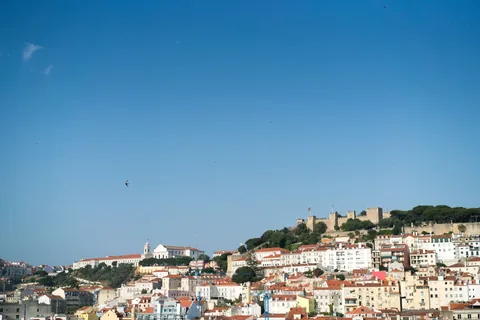
Lisbon is one of Europe's most welcoming cities, and the overwhelming majority of interactions visitors have there are genuine and hospitable. That said, a small number of scams do target tourists, particularly around high-traffic areas like Alfama, Baixa, and the main tram routes. Knowing what to expect in advance is the single most effective defence.
Key Takeaways - The most common scams in Lisbon target tourists near crowded attractions, tram stops, and the airport taxi rank. - Booking licensed transport through official apps or hotel desks eliminates most taxi and transfer fraud. - Street games such as the shell-and-ball trick are illegal in Portugal; walking away without engaging is always the right move. - Pickpocketing is the most frequent incident reported by tourists, and it is almost always avoidable with simple bag habits. - Card skimming at ATMs is rare but real; using bank-affiliated machines inside branches reduces the risk significantly.
The Taxi and Transfer Scam
This is the most frequently reported scam at Lisbon Portela Airport and at major cruise terminal arrivals. Unofficial drivers approach arriving passengers in the terminal building or on the pavement outside, offering flat-rate fares that sound reasonable but often end up two to four times the legitimate cost.
How to avoid it: Use the official ANTRAL-licensed taxi rank outside arrivals, or book a pre-arranged transfer through a licensed operator before you land. The Uber and Bolt apps both operate legally in Lisbon and display the fare estimate before you confirm the ride. If you take a metered taxi, verify that the meter starts correctly and that the tariff displayed matches the time of day — Tariff 1 applies on weekdays during daytime hours, and Tariff 2 applies evenings, weekends, and public holidays.
Never accept a ride from someone who approaches you inside the terminal.
The Fake Tram 28 Ticket Seller
Tram 28, which climbs through Alfama and past São Jorge Castle, is one of Lisbon's most iconic experiences. It is also one of the city's most crowded tourist routes, which makes it a productive location for opportunists. On busy days, individuals sometimes approach the queue claiming to sell tickets that skip the wait. These tickets are either fake or ordinary paper that will not be accepted by the validator on board.
How to avoid it: Buy your ticket directly from the driver when boarding, or load credit onto a rechargeable Viva Viagem card at any Carris/Metro ticket machine. These machines are easy to find at metro stations near the tram stops, including Martim Moniz. There is no official pre-sale of individual tram tickets from people standing on the pavement.
The Shell-and-Ball Street Game
In busy pedestrian areas — particularly around Praça do Comércio and Rua Augusta — you may encounter a small folding table with someone running a shell-and-ball or card-guessing game. A crowd of apparent spectators surrounds the table, and several people appear to be winning money. The winning spectators are almost always confederates of the operator, and the game is designed so that independent players cannot win.
Participating in street gambling is illegal under Portuguese law. Police do conduct periodic sweeps of these operators, which means that any crowd around the table disperses quickly when officers appear — sometimes taking wallets with them in the confusion.
How to avoid it: Do not stop, do not watch, and do not accept the invitation to play. The moment you make eye contact with the operator and slow your pace, a confederate may position themselves beside you. Keep walking.
Pickpocketing on Public Transport and at Viewpoints
Pickpocketing is by far the most common form of theft affecting tourists in Lisbon. It is most concentrated on the number 28 tram, the number 12 tram, the Santa Justa lift queue, and at the main miradouros (viewpoints) such as Miradouro da Graça and Portas do Sol. Typically it involves distraction — someone asking for directions, a map question, or a minor bump — while an accomplice accesses an unguarded bag or pocket.
How to avoid it: Keep valuables in a front pocket or a zipped compartment of a bag worn across the front of your body. On crowded trams, hold your bag in front of you rather than letting it hang at your side or behind your back. Avoid keeping your phone in your back pocket while standing in a queue or on a moving tram. At viewpoints, set your bag down only in front of you, never beside or behind you while you photograph the view.
A neck wallet or money belt worn under clothing is the most secure option for passports and larger amounts of cash.
ATM Skimming and Card Fraud
ATM skimming — where a device fitted over the card slot captures card data — does occur in Portugal, though it is relatively uncommon compared to some other European cities. The higher-risk machines are standalone units in small shops, kiosks, and bars, particularly those that advertise multi-currency dispensing with dynamic currency conversion.
How to avoid it: Use ATMs physically attached to a bank branch during its opening hours. These machines are inspected more regularly and are harder to tamper with undetected. Cover the keypad with your free hand when entering your PIN regardless of whether you can see a camera. Decline dynamic currency conversion when offered — the exchange rate applied is almost always worse than your own bank's rate, and it is a known upselling tactic rather than a security threat, though it feels like one.
Check your bank statements promptly after any trip and report unfamiliar charges immediately.
The Friendship Bracelet and "Free Gift"
Near the entrance to Alfama and at some craft market locations, individuals may approach you, make brief friendly conversation, and then tie a bracelet or thread onto your wrist before you can decline. Once it is on, they demand payment, sometimes aggressively. Variations involve handing you a small gift — a flower, a small figurine — and then requesting money when you accept it.
How to avoid it: Keep your hands in your pockets or at your sides in crowded pedestrian areas where you notice this pattern. If someone reaches for your wrist, a clear and immediate "no, thank you" while stepping back ends the interaction before anything is tied. If something has already been placed in your hand, you can set it down; you are not legally obligated to pay for anything you did not ask for and did not agree to purchase.
Overcharging at Restaurants and Cafés
Lisbon's dining scene is largely honest, but a small number of tourist-facing restaurants in the highest-traffic streets practice what is sometimes called the "cover charge surprise." Bread, olives, butter, and small appetisers are placed on the table without being ordered. In Portugal it is standard practice for restaurants to charge for these items if they are consumed. The problem arises when the charge is not disclosed and turns out to be disproportionate.
How to avoid it: Ask the server for the price of any item placed on the table that you did not order before consuming it. If you do not want it, hand it back. This is entirely normal and no offence is taken in a legitimate establishment. Check the menu for a stated cover charge (couvert) before ordering your meal. Review your bill before paying and ask for an itemised receipt if anything is unclear.
What to Do If You Are Targeted
Stay calm and do not physically resist if someone attempts to take your phone or bag. Report the incident to the nearest police officer or to the tourist police station at Rua Capelo 13 in Chiado, which handles English-language complaints.
Contact your bank immediately if your cards are taken or if you believe your card details have been compromised.
File a report with the PSP (Polícia de Segurança Pública) if you intend to make an insurance claim. Officers at the Chiado tourist police station are experienced with visitor incidents and can provide documentation in English.
Keep a photograph of your passport in a secure cloud location separate from your phone so that replacement paperwork is faster if documents are lost.
Staying Safe While Enjoying the City
The practical reality is that millions of people visit Lisbon every year without encountering any of the situations above. The city's streets are generally safe well into the evening, locals are genuinely helpful when asked for directions or recommendations, and the risk profile of Lisbon is considerably lower than many comparable European capitals.
The habits that protect you — zipped bags, official transport apps, checking the bill — are the same ones that serve any traveller well anywhere in the world. Apply them lightly as background awareness rather than anxiety, and they will not get in the way of what Lisbon does best: good food, remarkable hills, and one of the most distinctive urban atmospheres in Europe.
Frequently Asked Questions
Is Lisbon generally safe for tourists?
Lisbon is considered one of the safer major cities in Western Europe for tourists. Violent crime against visitors is rare. The most common incidents are opportunistic theft — particularly pickpocketing on crowded trams and at viewpoints — rather than confrontational crime.
Which areas of Lisbon should tourists be most aware of?
Alfama, the tram 28 route, Baixa-Chiado, and the area immediately around Praça do Comércio see the highest concentration of tourist-targeted opportunism, simply because those are where visitors spend the most time. This does not make them unsafe areas — it means normal awareness is warranted.
Is it safe to use ATMs in Lisbon at night?
ATMs inside bank lobbies with secure-entry doors are generally the safest option at any hour. Standalone street machines are more exposed. If you need cash at night, using a machine in a well-lit, occupied area such as a shopping centre is a reasonable precaution.
What is the tourist police number in Lisbon?
The PSP tourist police station in Chiado can be reached at +351 21 342 1623 and operates with English-speaking officers. For emergencies, Portugal's universal emergency number is 112.
Do I need to tip in Lisbon restaurants?
Tipping is not mandatory in Portugal and is not built into the bill. Rounding up or leaving five to ten percent for good service is appreciated. You are never obligated to tip, and not doing so will not affect how you are treated.