Travel Guide · Lisbon?
The Best Things to Do in Lisbon: A Complete Traveler's Guide
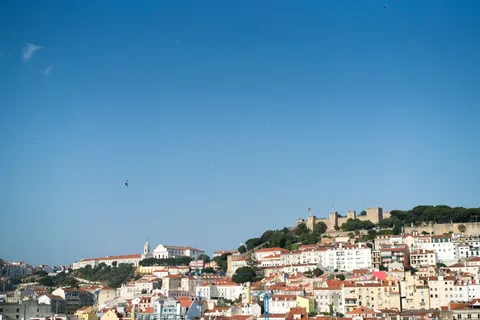
Lisbon is one of Europe's most captivating capitals—a city of seven hills, golden light, and streets worn smooth by centuries of foot traffic.
In this guide
- Explore Alfama, Lisbon's Oldest Neighborhood
- Visit the Belém District and Its Monuments
- Ride Tram 28 and the Historic Funiculars
- Hear Fado in Alfama
- Eat Your Way Through the City
- Wander Mouraria and the Intendente
- Discover the LX Factory and Santos Design District
- Take a Day Trip to Sintra
- Spend Time Along the Waterfront
- Practical Information
- Frequently Asked Questions
- How many days do you need in Lisbon?
- Is Lisbon safe for tourists?
- What is the best area to stay in Lisbon?
- Do you need to speak Portuguese in Lisbon?
- When is the best time to eat lunch and dinner in Lisbon?
Lisbon is one of Europe's most captivating capitals—a city of seven hills, golden light, and streets worn smooth by centuries of foot traffic. Its neighborhoods shift from medieval to Modernist within a few minutes' walk, the food is extraordinary, and the Atlantic sits close enough to feel. Whether you have three days or three weeks, the Portuguese capital rewards slow exploration and spontaneous detours.
Key Takeaways - Lisbon's historic neighborhoods—Alfama, Belém, and Mouraria—each tell a distinct chapter of the city's story and are best explored on foot. - The city's food scene spans Michelin-starred restaurants, neighborhood tascas, and legendary pastry shops; eating well here does not require spending much. - Fado, Portugal's UNESCO-recognized music of longing, is best heard in small Alfama venues rather than tourist-oriented shows. - Day trips to Sintra, Cascais, and the beaches of the Setúbal Peninsula are all within an hour of the city center. - Lisbon's public transport—including historic trams, funiculars, and metro—connects most major sights affordably.
Explore Alfama, Lisbon's Oldest Neighborhood
Alfama escaped the 1755 earthquake that leveled much of Lisbon, leaving behind a dense labyrinth of Moorish-era alleys, whitewashed houses draped in bougainvillea, and staircases that seem to lead nowhere until they open onto a sudden view of the Tagus estuary.
Start at the Castelo de São Jorge, the hilltop fortress whose origins trace to the Moorish occupation of the city. Its ramparts offer some of the best panoramic views in Lisbon, taking in the river, the Ponte 25 de Abril suspension bridge, and the statue of Cristo Rei on the far bank. Inside the walls, archaeologists have uncovered occupation layers stretching back to the Iron Age.
From the castle, wind downhill through Alfama's lanes toward the Sé de Lisboa, the city's Romanesque-Gothic cathedral built in 1147 on the site of Lisbon's main mosque following the Christian reconquest. The cloister houses ongoing excavations of Roman and Moorish remains.
Alfama's miradouros—hilltop viewpoints—are worth seeking out at different times of day. Miradouro da Graça tends to draw fewer crowds than the more famous Portas do Sol, and its terrace café is a good place to sit with a coffee and watch the morning light settle on the rooftops.
Visit the Belém District and Its Monuments
About six kilometers west of the city center along the Tagus waterfront, the district of Belém holds two of Portugal's most recognizable monuments and one of its most beloved pastry shops.
The Mosteiro dos Jerónimos is a supreme example of the Manueline style—a distinctly Portuguese late-Gothic architecture decorated with maritime motifs, armillary spheres, and twisted rope stonework that reflects the country's Age of Discovery. Built in the early sixteenth century with wealth from the spice trade, it houses the tombs of Vasco da Gama and the poet Luís de Camões. UNESCO lists the monastery as a World Heritage Site.
A short walk along the riverfront brings you to the Torre de Belém, a fortified tower that once guarded the mouth of the Tagus and served as the last landmark Portuguese explorers saw before departing for unknown waters. It is compact inside but its exterior stonework—carved rhinoceroses, watchtower loggias, Manueline windows—repays close inspection.
Directly beside the monastery, the Pastéis de Belém bakery has been producing the original pastel de nata (custard tart) since 1837 using a recipe still kept secret by the monastery's former monks. The queue moves quickly. Order a half-dozen, dust them with cinnamon and powdered sugar at the counter, and eat them warm.
Also in Belém: the Padrão dos Descobrimentos, a sculptural monument commemorating the Portuguese explorers, and the MAAT (Museum of Art, Architecture and Technology), a striking contemporary building half-submerged into the riverbank with a walkable rooftop terrace.
Ride Tram 28 and the Historic Funiculars
Lisbon's yellow Tram 28 is functional public transport and a moving tour of the city's most scenic neighborhoods in one. The route runs from Martim Moniz through Alfama, Graça, and the elegant Estrela district, climbing and descending gradients that most vehicles cannot manage. Ride it early in the morning to avoid heavy tourist crowds, and consider riding one direction only rather than completing the full loop.
The city's three remaining eléctricos (funiculars) are equally atmospheric. The Elevador da Bica climbs through the Bica neighborhood from the waterfront; the Elevador da Glória rises from Praça dos Restauradores to the Bairro Alto; the Elevador do Lavra is the oldest and least touristed. All three accept the Viva Viagem transport card.
The Elevador de Santa Justa, designed by a student of Gustave Eiffel and completed in 1902, is a neo-Gothic iron lift that connects the Baixa (lower city) to the Carmo neighborhood above. The viewing platform at the top looks directly into the roofless nave of the ruined Convento do Carmo, whose vaulted arches were left exposed after the 1755 earthquake as a memorial to the disaster.
Hear Fado in Alfama
Fado—a genre built on longing, fate, and the untranslatable Portuguese concept of saudade—was declared a UNESCO Intangible Cultural Heritage of Humanity in 2011. Lisbon is its spiritual home.
The best fado experiences are found in small, unassuming tascas in Alfama where a single fadista performs accompanied by the Portuguese guitarra (a twelve-string pear-shaped instrument) and the viola baixo. These informal venues—some with no stage at all, just a performer standing in the corner—create an intimacy that the larger tourist-oriented houses cannot replicate.
Arrive with patience. Fado nights in Alfama typically begin late, around 9 or 10 p.m., and the music appears between courses of dinner. Conversation stops when a singer begins; applause at the wrong moment is considered disrespectful.
The Museu do Fado, located in Alfama near the Alfama market, traces the history of the genre through instruments, costumes, photographs, and recordings, and includes a reconstruction of a traditional fado venue. It is a worthwhile stop before an evening performance to deepen your listening.
Eat Your Way Through the City
Lisbon's food culture is rooted in simplicity, good ingredients, and long tradition. The neighborhood tasca—a small, family-run restaurant with a short daily menu written on a chalkboard—remains the most reliable way to eat well and affordably. Look for places where the clientele is local and the wine list is a single house wine.
Pastéis de nata are the essential Lisbon snack, available throughout the city but at their finest warm from the oven. Beyond the original Pastéis de Belém, the Manteigaria in the Chiado neighborhood and Nata Lisboa both produce excellent versions.
The Mercado da Ribeira (Time Out Market), on the Cais do Sodré waterfront, houses a curated collection of Lisbon restaurants under one roof—a useful introduction to the city's food scene, though prices reflect the tourist context. For a more local market experience, the Mercado de Campo de Ourique in the residential Campo de Ourique neighborhood serves lunch to a predominantly local crowd.
Seafood is essential. Bacalhau (salt cod, prepared in reportedly more than 365 ways in Portugal), amêijoas (clams cooked in white wine and garlic), grilled sardines in June and July, and the seafood stew cataplana are all worth seeking out. Wash them down with a crisp Alentejo white, a glass of vinho verde, or a small Sagres beer.
Wander Mouraria and the Intendente
Mouraria, the historic Moorish quarter at the foot of the castle hill, is one of Lisbon's most genuinely multicultural neighborhoods—home to communities from across Africa, South Asia, and China alongside long-established Portuguese residents. Its narrow streets host small grocery shops selling spices, neighborhood restaurants, and low-key bars that rarely appear in mainstream travel guides.
The Intendente square, once a notoriously rundown area, has been carefully revitalized over the past decade without losing its neighborhood character. The square's tiled façades, the remarkable Viúva Lamego tile and ceramics shop (housed in a nineteenth-century building), and the daily market activity make it one of the more photogenic squares in the city.
This part of Lisbon is where the city's complexity and layering is most visible—Moorish street plans, Pombaline rebuilding, twentieth-century immigration, contemporary creative activity all occupying the same few blocks.
Discover the LX Factory and Santos Design District
In the Santos neighborhood, a former nineteenth-century industrial complex running beneath the Ponte 25 de Abril has been converted into the LX Factory, a creative hub of independent shops, restaurants, studios, and event spaces inside brick warehouses. Its Sunday market is Lisbon's best, with second-hand books spread across long tables, vinyl records, ceramics, and locally designed clothing. The complex's bookshop, Ler Devagar, with its walls stacked floor-to-ceiling and an antique printing press in the center, is worth visiting on any day of the week.
The surrounding Santos and Alcântara neighborhoods have become home to a concentration of furniture and design studios that justify browsing even without an intention to buy.
Take a Day Trip to Sintra
Thirty-five minutes from Lisbon's Rossio station by direct train, Sintra is a wooded hillside town of palaces, quintas, and eccentric nineteenth-century aristocratic follies that inspired Lord Byron and the Portuguese Romantics. Its historic center and surrounding cultural landscape are listed as a UNESCO World Heritage Site.
The essential stops are the Palácio Nacional de Sintra in the town center (immediately recognizable by its two conical chimneys), the Palácio da Pena on the highest peak of the Serra de Sintra (a wildly colorful Romantic palace with towers and drawbridges visible from Lisbon on clear days), and the ruins of the Castelo dos Mouros on the ridge between them.
The town and its surroundings become very crowded on summer weekends. Visiting midweek, arriving on the first train of the morning, and buying site tickets in advance significantly improves the experience.
Spend Time Along the Waterfront
Lisbon's relationship with the Tagus estuary is central to its identity, and the waterfront rewards unhurried time. The Ribeira das Naus promenade in the Baixa leads west along the river toward Cais do Sodré and beyond to Belém. The walk takes the better part of an afternoon and passes through several distinct neighborhoods.
The MAAT (Museum of Art, Architecture and Technology) in Belém is worth entering for its permanent and temporary contemporary art collections, and its concrete rooftop—which visitors can walk across—provides a different perspective on the river and the bridge.
At Cais do Sodré, the former market building now houses independent shops and a fish market in the mornings. The neighborhood around it—once the city's red-light district—has become one of the liveliest areas for bars and restaurants after dark, particularly along the Rua Nova do Carvalho (Pink Street).
Practical Information
| Topic | Details |
|---|---|
| Getting there | Lisbon Humberto Delgado Airport is 7 km from the city center; Metro Line Red connects it directly to the network |
| Getting around | Viva Viagem card covers Metro, tram, funicular, and bus; 24-hour and multi-day passes available |
| Best time to visit | May–June and September–October for mild weather and manageable crowds; July–August is hot and very busy |
| Language | Portuguese; English is widely spoken in central Lisbon |
| Currency | Euro (€) |
| Tipping | Not obligatory; rounding up or leaving 5–10% at sit-down restaurants is appreciated |
| Day trips | Sintra (35 min by train), Cascais (40 min by train), Setúbal coast (1 hr by bus or car) |
Frequently Asked Questions
How many days do you need in Lisbon?
Three full days covers the major neighborhoods, monuments, and food highlights without rushing. Five days allows for Sintra, one of the Atlantic beaches, and deeper time in neighborhoods like Mouraria and Campo de Ourique. A week gives you space to follow curiosity rather than a checklist.
Is Lisbon safe for tourists?
Lisbon is considered one of Western Europe's safer capital cities. Petty theft—particularly pickpocketing on crowded trams and in tourist areas like Alfama—is the most common issue. Standard urban precautions apply: keep valuables out of back pockets, be aware on Tram 28, and avoid leaving bags unattended.
What is the best area to stay in Lisbon?
The Chiado and Príncipe Real neighborhoods offer the most convenient base—central, walkable, and close to both the Baixa and Bairro Alto—at mid-to-higher price points. Mouraria and Intendente offer a more local feel at lower prices. Belém is quiet and suited to families but requires more transport to reach the center.
Do you need to speak Portuguese in Lisbon?
English is widely spoken throughout central Lisbon, especially in restaurants, hotels, and tourist sites. Learning a few words of Portuguese—obrigado/obrigada (thank you), por favor (please), bom dia (good morning)—is appreciated and tends to be warmly received.
When is the best time to eat lunch and dinner in Lisbon?
Lunch is typically served from noon to 3 p.m.; the fixed-price prato do dia (dish of the day) at tascas is usually available until early afternoon and represents excellent value. Dinner rarely starts before 7:30 p.m. and most restaurants are busiest between 8 and 10 p.m.
Lisbon repays whatever time you give it. Its hills slow you down in the best possible way, the light changes the color of the river by the hour, and the city has a habit of offering its best moments—a sudden viewpoint, an empty square at dusk, a plate of clams that arrives without warning—when you stop looking for them.