[{"schema_version":1,"slug":"where-to-eat-local-food-in-lisbon-a-neighborhood-by-neighborhood-guide","title":"Where to Eat Local Food in Lisbon: A Neighborhood-by-Neighborhood Guide","meta_title":"Where to Eat Local Food in Lisbon: A Neighborhood-by-Neighborhood Guide","meta_description":"Discover where to eat authentic local food in Lisbon, from petiscos in Alfama to bacalhau tascas in Mouraria and pastéis de nata in Belém.","excerpt":"Discover where to eat authentic local food in Lisbon, from petiscos in Alfama to bacalhau tascas in Mouraria and pastéis de nata in Belém.","canonical":"https://listours.pt/guides/where-to-eat-local-food-in-lisbon-a-neighborhood-by-neighborhood-guide/","destination":"Lisbon","content":"\u003cp\u003eLisbon is one of Europe's most rewarding cities for eating well without spending much. The authentic version of the city's food culture lives in its tascas — small, often family-run dining rooms where the menu changes with the season and the owner probably knows your order before you do. This guide points you toward those places, neighborhood by neighborhood, so you can eat the way residents do rather than the way the tourist circuit suggests.\u003c/p\u003e\n\u003cblockquote class=\"guide-callout\"\u003e\u003cstrong\u003eKey Takeaways\u003c/strong\u003e - Authentic Lisbon eating happens in tascas, cervejarias, and mercearias, not in restaurants with laminated menus facing the viewpoints. - Alfama, Mouraria, and Intendente are the most rewarding neighborhoods for local food right now. - Lunch (almoço) is the main meal of the day; the best value and the freshest food is almost always the \u003cem\u003eprato do dia\u003c/em\u003e (dish of the day). - Bacalhau (salt cod), grilled fish, and bifanas (pork sandwiches) are the dishes that tell you most about where you are. - Pastéis de nata taste noticeably better eaten warm, on the spot, at the bakery that made them.\u003c/blockquote\u003e\n\u003ch2\u003eWhat \"Eating Local\" Actually Means in Lisbon\u003c/h2\u003e\n\u003cp\u003eBefore diving into neighborhoods, it helps to understand the categories. A \u003cstrong\u003etasca\u003c/strong\u003e is an unpretentious neighborhood restaurant — checkered tablecloths, perhaps a television showing football, and a handwritten daily menu. A \u003cstrong\u003ecervejaria\u003c/strong\u003e is a beer hall that typically specializes in seafood. A \u003cstrong\u003emercearia\u003c/strong\u003e is a grocery store that has evolved into a wine bar and small-plates spot, common in gentrifying areas. A \u003cstrong\u003epastelaria\u003c/strong\u003e is a pastry and coffee shop that also serves light savory food throughout the day.\u003c/p\u003e\n\u003cp\u003eThe \u003cem\u003eprato do dia\u003c/em\u003e — the dish of the day — is the single best way to eat well and cheaply. Most tascas prepare two or three options at lunch, priced between €8 and €14 including bread, a drink, and dessert or coffee. It represents whatever the cook decided to make that morning, which usually means it is fresher and better than anything on the printed menu.\u003c/p\u003e\n\u003cp\u003eAvoid restaurants displaying photographs of food on outdoor menu boards, or those with staff actively soliciting passersby. These are consistent indicators that the kitchen is oriented toward table turnover rather than cooking.\u003c/p\u003e\n\u003ch2\u003eAlfama: The City's Oldest Neighborhood\u003c/h2\u003e\n\u003cp\u003eAlfama is Lisbon's Moorish quarter, climbing steeply from the waterfront toward São Jorge Castle. It is also where Fado — Portugal's melancholic urban song tradition — originated, and the neighborhood's old-school tascas still carry that atmosphere.\u003c/p\u003e\n\u003cp\u003eLook for small restaurants on the streets running parallel to and below the main tourist drag of Rua de São Miguel. The clientele at lunch tends to be local workers and older residents. Grilled sardines (\u003cem\u003esardinhas assadas\u003c/em\u003e) are the emblematic dish here, especially in summer. You will also find good \u003cem\u003ecaldo verde\u003c/em\u003e (kale and potato soup with a slice of chouriço) and braised pork dishes served in clay pots.\u003c/p\u003e\n\u003cp\u003eA practical note: many Alfama tascas do not take reservations and are cash only. Arrive at noon or shortly after for the best seat and the widest selection from the day's menu. By 1:30 pm the best options are often sold out.\u003c/p\u003e\n\u003ch2\u003eMouraria: Where Lisbon's Flavors Meet\u003c/h2\u003e\n\u003cp\u003eMouraria sits just above Alfama and has one of the most interesting food environments in the city. It was historically a multicultural quarter and remains one today, with Portuguese tascas sitting alongside Indian, Bangladeshi, and Mozambican restaurants.\u003c/p\u003e\n\u003cp\u003eThe area around Rua do Capelão and Rua da Mouraria has several tascas that have been operating for decades. These are not restaurants anyone would call stylish, but the bacalhau preparations here — baked with olive oil and potatoes (\u003cem\u003ebacalhau à Brás\u003c/em\u003e style, scrambled with eggs and matchstick fries, is the most common) — are reliably excellent. Portugal has hundreds of traditional bacalhau recipes, and Mouraria is a good place to work through several of them across multiple visits.\u003c/p\u003e\n\u003cp\u003eThe Intendente square, at the top edge of Mouraria, has become a destination in its own right. A morning visit will turn up good coffee and pastries; the lunch crowd skews young and local.\u003c/p\u003e\n\u003ch2\u003eBelém: More Than the Famous Pastry\u003c/h2\u003e\n\u003cp\u003eBelém is primarily visited for the Jerónimos Monastery and the Tower of Belém, and tourists are thick on the ground here. The one essential food stop is \u003cstrong\u003ePastéis de Belém\u003c/strong\u003e on Rua de Belém — the original home of the pastel de nata, operating since 1837. The recipe for their version, called \u003cem\u003epastel de Belém\u003c/em\u003e rather than \u003cem\u003epastel de nata\u003c/em\u003e to distinguish it, is a trade secret and the custard tart you eat here is meaningfully different from the versions sold across the rest of the city. Order them dusted with cinnamon and powdered sugar, eat them at the counter while they are still warm.\u003c/p\u003e\n\u003cp\u003eBeyond the pastry, Belém has a small market and several riverfront restaurants that do well with grilled fish. Lunch with a view of the Tagus is worth the slower pace and slightly higher prices compared to downtown.\u003c/p\u003e\n\u003ch2\u003eBaixa and Chiado: Navigating the Tourist Center\u003c/h2\u003e\n\u003cp\u003eThe historic downtown is where the density of tourist-oriented restaurants is highest, but good eating is still possible if you know what to look for. Cervejarias in this part of the city — particularly the older, tiled ones — serve excellent \u003cem\u003epercebes\u003c/em\u003e (barnacles), prawns, and clams in white wine and garlic (\u003cem\u003eamêijoas à Bulhão Pato\u003c/em\u003e). These shellfish dishes are expensive by Portuguese standards but genuinely excellent.\u003c/p\u003e\n\u003cp\u003eFor cheaper, faster eating, the bifana is Lisbon's working-class sandwich: thin pork cutlet, cooked quickly in lard and white wine, served in a soft roll. A good bifana eaten standing at a counter in Baixa is one of the best €3 to €4 meals you will have in any European city.\u003c/p\u003e\n\u003cp\u003eThe Mercado da Ribeira (Time Out Market) on the waterfront is popular and convenient but represents a curated, expensive version of Lisbon food culture rather than the original. It is useful for a single visit to try several things quickly; it should not substitute for eating in actual neighborhoods.\u003c/p\u003e\n\u003ch2\u003eLX Factory and Alcântara: The Weekend Market Scene\u003c/h2\u003e\n\u003cp\u003eLX Factory, a repurposed industrial complex in Alcântara west of the center, hosts a Sunday market (\u003cem\u003eMercado de Fusão\u003c/em\u003e) that has become a genuine gathering point for Lisbon residents. The food stalls here are more varied and interesting than at Ribeira Market, and the crowd is significantly more local. It is worth timing a Sunday in Lisbon around this.\u003c/p\u003e\n\u003cp\u003eThe surrounding Alcântara and Santos neighborhoods have developed a strong restaurant scene over the past decade. This is where you find natural wine bars with serious small-plates menus, modern takes on Portuguese classics using regional producers, and the kind of cooking that reflects what younger Lisbon chefs are actually interested in. Prices are moderate by western European standards.\u003c/p\u003e\n\u003ch2\u003ePractical Eating Advice\u003c/h2\u003e\n\u003cp\u003e\u003cstrong\u003eMeal times matter.\u003c/strong\u003e Lunch runs from roughly noon to 3 pm; dinner rarely starts before 8 pm and the kitchen stays open until 11 pm or later. Showing up at 6 pm expecting dinner service will result in closed doors or a limited menu.\u003c/p\u003e\n\u003cp\u003e\u003cstrong\u003eThe bread and butter brought to your table is not free.\u003c/strong\u003e This is standard Portuguese restaurant practice: the couvert (cover charge) includes bread, butter, olives, and sometimes cheese. You are charged per person only for what you eat; you can decline it, though most find it worth keeping.\u003c/p\u003e\n\u003cp\u003e\u003cstrong\u003eWater is not automatically served.\u003c/strong\u003e Ask for \u003cem\u003eágua da torneira\u003c/em\u003e (tap water) to avoid being charged for bottled water, which is fine to drink throughout Portugal.\u003c/p\u003e\n\u003cp\u003e\u003cstrong\u003eCoffee culture is specific.\u003c/strong\u003e A \u003cem\u003ebica\u003c/em\u003e is the standard Lisbon espresso, short and strong. \u003cem\u003eGalão\u003c/em\u003e is the milky option, served in a tall glass. Coffee is almost always taken standing at the counter and costs between €0.80 and €1.20. Sitting down at a café table typically doubles the price.\u003c/p\u003e\n\u003ch2\u003eDishes to Seek Out\u003c/h2\u003e\n\u003cdiv class=\"guide-comparison overflow-x-auto my-10\" role=\"region\" aria-label=\"Scrollable comparison table\" tabindex=\"0\"\u003e\u003ctable class=\"w-full min-w-[620px] border-collapse text-left text-sm\"\u003e\u003cthead\u003e\u003ctr\u003e\u003cth\u003eDish\u003c/th\u003e\u003cth\u003eWhat It Is\u003c/th\u003e\u003cth\u003eWhere to Find It\u003c/th\u003e\u003c/tr\u003e\u003c/thead\u003e\u003ctbody\u003e\u003ctr\u003e\u003ctd\u003eSardinhas assadas\u003c/td\u003e\u003ctd\u003eCharcoal-grilled sardines\u003c/td\u003e\u003ctd\u003eAlfama tascas, summer months\u003c/td\u003e\u003c/tr\u003e\u003ctr\u003e\u003ctd\u003eBacalhau à Brás\u003c/td\u003e\u003ctd\u003eSalt cod scrambled with eggs and shoestring fries\u003c/td\u003e\u003ctd\u003eAny traditional tasca\u003c/td\u003e\u003c/tr\u003e\u003ctr\u003e\u003ctd\u003eAmêijoas à Bulhão Pato\u003c/td\u003e\u003ctd\u003eClams in white wine, garlic, and coriander\u003c/td\u003e\u003ctd\u003eCervejarias in Baixa and Chiado\u003c/td\u003e\u003c/tr\u003e\u003ctr\u003e\u003ctd\u003eBifana\u003c/td\u003e\u003ctd\u003ePork shoulder sandwich in seasoned roll\u003c/td\u003e\u003ctd\u003eStanding bars in Baixa\u003c/td\u003e\u003c/tr\u003e\u003ctr\u003e\u003ctd\u003eCaldo verde\u003c/td\u003e\u003ctd\u003eKale soup with potato and chouriço\u003c/td\u003e\u003ctd\u003eTascas everywhere\u003c/td\u003e\u003c/tr\u003e\u003ctr\u003e\u003ctd\u003ePastel de nata / Pastel de Belém\u003c/td\u003e\u003ctd\u003eCustard tart in flaky pastry\u003c/td\u003e\u003ctd\u003eEvery pastelaria; best at Pastéis de Belém\u003c/td\u003e\u003c/tr\u003e\u003ctr\u003e\u003ctd\u003ePercebes\u003c/td\u003e\u003ctd\u003eGoose barnacles\u003c/td\u003e\u003ctd\u003eSeafood restaurants and cervejarias\u003c/td\u003e\u003c/tr\u003e\u003ctr\u003e\u003ctd\u003eAçorda alentejana\u003c/td\u003e\u003ctd\u003eBread-based soup with egg and coriander\u003c/td\u003e\u003ctd\u003eTraditional tascas, especially at lunch\u003c/td\u003e\u003c/tr\u003e\u003c/tbody\u003e\u003c/table\u003e\u003c/div\u003e\n\u003ch2\u003eFrequently Asked Questions\u003c/h2\u003e\n\u003ch3\u003eIs Lisbon an expensive city to eat in?\u003c/h3\u003e\n\u003cp\u003eBy western European standards, no. A full lunch with wine at a traditional tasca typically costs €10 to €15 per person. Seafood, particularly shellfish, runs higher. The most tourist-facing restaurants in Alfama and near the viewpoints charge significantly more for comparable food.\u003c/p\u003e\n\u003ch3\u003eDo I need to book restaurants in advance?\u003c/h3\u003e\n\u003cp\u003eFor casual tascas, no — and many do not take reservations at all. For dinner at well-regarded modern Portuguese restaurants or popular spots in Alcântara and Santos, booking one to three days ahead is advisable, particularly on weekends.\u003c/p\u003e\n\u003ch3\u003eAre vegetarian options available?\u003c/h3\u003e\n\u003cp\u003eTraditional Portuguese cuisine is heavily meat and fish-oriented, and most tascas have limited vegetarian options beyond egg dishes, soups, and side vegetables. The modern restaurant scene in Alcântara, Príncipe Real, and Mouraria's newer spots is considerably more accommodating.\u003c/p\u003e\n\u003ch3\u003eWhat should I order if I have never eaten Portuguese food before?\u003c/h3\u003e\n\u003cp\u003eStart with a \u003cem\u003eprato do dia\u003c/em\u003e including bacalhau, try a bifana for a quick lunch, and finish any meal at a pastelaria with a pastel de nata and a bica. These three things will tell you more about Lisbon's food culture than any restaurant list.\u003c/p\u003e\n\u003ch2\u003eA Final Orientation\u003c/h2\u003e\n\u003cp\u003eLisbon rewards slow eaters and curious walkers. The best meal you have here will probably happen because you followed a smell, saw a handwritten sign in a window, or took a recommendation from a hotel housekeeper rather than a travel app. The city's food infrastructure — its tascas, its mercearias, its morning markets — is still largely intact and still largely oriented toward the people who live here. That is the access point worth finding.\u003c/p\u003e","faq":[],"quick_facts":[],"mistakes":[],"related_tours":[],"related_guides":[],"guide_images":{"schema_version":1,"hero":{"asset_id":"pexels-4330076-828e1a27b3b1","src":"/images/guides/where-to-eat-local-food-in-lisbon-a-neighborhood-by-neighborhood-guide-pexels-4330076-828e1a27b3b1.webp","path":"/images/guides/where-to-eat-local-food-in-lisbon-a-neighborhood-by-neighborhood-guide-pexels-4330076-828e1a27b3b1.webp","alt":"Amazing view of Lisbon City slope under clear blue sky on beautiful day in summertime","width":1880,"height":1254,"destination":"Lisbon","subjects":["Lisbon","Portugal"],"usage":"hero","format":"webp","provider":"pexels","source_page":"https://www.pexels.com/photo/scenic-cityscape-of-lisbon-under-blue-summer-sky-4330076/","source_url":"https://images.pexels.com/photos/4330076/pexels-photo-4330076.jpeg?auto=compress\u0026cs=tinysrgb\u0026dpr=2\u0026h=650\u0026w=940","original_metadata":{"provider":"pexels","source_url":"https://images.pexels.com/photos/4330076/pexels-photo-4330076.jpeg?auto=compress\u0026cs=tinysrgb\u0026dpr=2\u0026h=650\u0026w=940","source_page_url":"https://www.pexels.com/photo/scenic-cityscape-of-lisbon-under-blue-summer-sky-4330076/","title":"Amazing view of Lisbon City slope under clear blue sky on beautiful day in summertime","creator":"ArtHouse Studio","license":"Pexels License","license_url":"https://www.pexels.com/license/","width":7952,"height":5304,"subjects":["Amazing view of Lisbon City slope under clear blue sky on beautiful day in summertime"],"provider_photo_id":"4330076","creator_url":"https://www.pexels.com/@arthousestudio","original_url":"https://images.pexels.com/photos/4330076/pexels-photo-4330076.jpeg","orientation":"landscape"},"photographer":"ArtHouse Studio","checksum":"828e1a27b3b1fc9afe0563fd9699e3795c2c8db6f5bccee9bd7bdb561d6f39e0","content_hash":"828e1a27b3b1fc9afe0563fd9699e3795c2c8db6f5bccee9bd7bdb561d6f39e0","validated":true},"inline":[],"requested_inline":0,"selected_inline":0,"shortfall_reason":null},"hero_image":{"asset_id":"pexels-4330076-828e1a27b3b1","src":"/images/guides/where-to-eat-local-food-in-lisbon-a-neighborhood-by-neighborhood-guide-pexels-4330076-828e1a27b3b1.webp","path":"/images/guides/where-to-eat-local-food-in-lisbon-a-neighborhood-by-neighborhood-guide-pexels-4330076-828e1a27b3b1.webp","alt":"Amazing view of Lisbon City slope under clear blue sky on beautiful day in summertime","width":1880,"height":1254,"destination":"Lisbon","subjects":["Lisbon","Portugal"],"usage":"hero","format":"webp","provider":"pexels","source_page":"https://www.pexels.com/photo/scenic-cityscape-of-lisbon-under-blue-summer-sky-4330076/","source_url":"https://images.pexels.com/photos/4330076/pexels-photo-4330076.jpeg?auto=compress\u0026cs=tinysrgb\u0026dpr=2\u0026h=650\u0026w=940","original_metadata":{"provider":"pexels","source_url":"https://images.pexels.com/photos/4330076/pexels-photo-4330076.jpeg?auto=compress\u0026cs=tinysrgb\u0026dpr=2\u0026h=650\u0026w=940","source_page_url":"https://www.pexels.com/photo/scenic-cityscape-of-lisbon-under-blue-summer-sky-4330076/","title":"Amazing view of Lisbon City slope under clear blue sky on beautiful day in summertime","creator":"ArtHouse Studio","license":"Pexels License","license_url":"https://www.pexels.com/license/","width":7952,"height":5304,"subjects":["Amazing view of Lisbon City slope under clear blue sky on beautiful day in summertime"],"provider_photo_id":"4330076","creator_url":"https://www.pexels.com/@arthousestudio","original_url":"https://images.pexels.com/photos/4330076/pexels-photo-4330076.jpeg","orientation":"landscape"},"photographer":"ArtHouse Studio","checksum":"828e1a27b3b1fc9afe0563fd9699e3795c2c8db6f5bccee9bd7bdb561d6f39e0","content_hash":"828e1a27b3b1fc9afe0563fd9699e3795c2c8db6f5bccee9bd7bdb561d6f39e0","validated":true},"featured_image":{"asset_id":"pexels-4330076-828e1a27b3b1","src":"/images/guides/where-to-eat-local-food-in-lisbon-a-neighborhood-by-neighborhood-guide-pexels-4330076-828e1a27b3b1.webp","path":"/images/guides/where-to-eat-local-food-in-lisbon-a-neighborhood-by-neighborhood-guide-pexels-4330076-828e1a27b3b1.webp","alt":"Amazing view of Lisbon City slope under clear blue sky on beautiful day in summertime","width":1880,"height":1254,"destination":"Lisbon","subjects":["Lisbon","Portugal"],"usage":"hero","format":"webp","provider":"pexels","source_page":"https://www.pexels.com/photo/scenic-cityscape-of-lisbon-under-blue-summer-sky-4330076/","source_url":"https://images.pexels.com/photos/4330076/pexels-photo-4330076.jpeg?auto=compress\u0026cs=tinysrgb\u0026dpr=2\u0026h=650\u0026w=940","original_metadata":{"provider":"pexels","source_url":"https://images.pexels.com/photos/4330076/pexels-photo-4330076.jpeg?auto=compress\u0026cs=tinysrgb\u0026dpr=2\u0026h=650\u0026w=940","source_page_url":"https://www.pexels.com/photo/scenic-cityscape-of-lisbon-under-blue-summer-sky-4330076/","title":"Amazing view of Lisbon City slope under clear blue sky on beautiful day in summertime","creator":"ArtHouse Studio","license":"Pexels License","license_url":"https://www.pexels.com/license/","width":7952,"height":5304,"subjects":["Amazing view of Lisbon City slope under clear blue sky on beautiful day in summertime"],"provider_photo_id":"4330076","creator_url":"https://www.pexels.com/@arthousestudio","original_url":"https://images.pexels.com/photos/4330076/pexels-photo-4330076.jpeg","orientation":"landscape"},"photographer":"ArtHouse Studio","checksum":"828e1a27b3b1fc9afe0563fd9699e3795c2c8db6f5bccee9bd7bdb561d6f39e0","content_hash":"828e1a27b3b1fc9afe0563fd9699e3795c2c8db6f5bccee9bd7bdb561d6f39e0","validated":true},"image":{"asset_id":"pexels-4330076-828e1a27b3b1","src":"/images/guides/where-to-eat-local-food-in-lisbon-a-neighborhood-by-neighborhood-guide-pexels-4330076-828e1a27b3b1.webp","path":"/images/guides/where-to-eat-local-food-in-lisbon-a-neighborhood-by-neighborhood-guide-pexels-4330076-828e1a27b3b1.webp","alt":"Amazing view of Lisbon City slope under clear blue sky on beautiful day in summertime","width":1880,"height":1254,"destination":"Lisbon","subjects":["Lisbon","Portugal"],"usage":"hero","format":"webp","provider":"pexels","source_page":"https://www.pexels.com/photo/scenic-cityscape-of-lisbon-under-blue-summer-sky-4330076/","source_url":"https://images.pexels.com/photos/4330076/pexels-photo-4330076.jpeg?auto=compress\u0026cs=tinysrgb\u0026dpr=2\u0026h=650\u0026w=940","original_metadata":{"provider":"pexels","source_url":"https://images.pexels.com/photos/4330076/pexels-photo-4330076.jpeg?auto=compress\u0026cs=tinysrgb\u0026dpr=2\u0026h=650\u0026w=940","source_page_url":"https://www.pexels.com/photo/scenic-cityscape-of-lisbon-under-blue-summer-sky-4330076/","title":"Amazing view of Lisbon City slope under clear blue sky on beautiful day in summertime","creator":"ArtHouse Studio","license":"Pexels License","license_url":"https://www.pexels.com/license/","width":7952,"height":5304,"subjects":["Amazing view of Lisbon City slope under clear blue sky on beautiful day in summertime"],"provider_photo_id":"4330076","creator_url":"https://www.pexels.com/@arthousestudio","original_url":"https://images.pexels.com/photos/4330076/pexels-photo-4330076.jpeg","orientation":"landscape"},"photographer":"ArtHouse Studio","checksum":"828e1a27b3b1fc9afe0563fd9699e3795c2c8db6f5bccee9bd7bdb561d6f39e0","content_hash":"828e1a27b3b1fc9afe0563fd9699e3795c2c8db6f5bccee9bd7bdb561d6f39e0","validated":true},"content_images":[],"status":"PUBLISHED","version":1,"created_at":"2026-10-20T22:31:11.447157+00:00","updated_at":"2026-10-20T22:36:04.031504+00:00","published_at":"2026-10-20T22:36:04.031504+00:00","source":"claude-blog-approved-artifact","search_intent":{"intent":"INFORMATIONAL","confidence":1.0,"reason":"Explicitly approved blog Guide"},"content_hash":"82d5be090b888b1919d278ce7a4db2800837ca55c3a5596e8239ad588080b6bb","editorial_format_version":0,"semantic_sections":[],"callouts":[],"comparison_blocks":[],"contextual_cta":{"eyebrow":"Tailor-made Portugal","title":"Turn your research into a private journey","body":"Ask LisTours to shape an itinerary around your interests, pace, and time in Portugal.","href":"/contact/","label":"Inquire Now"},"target_query":"Where to Eat Local Food in Lisbon: A Neighborhood-by-Neighborhood Guide"}]
Travel Guide · Lisbon
Where to Eat Local Food in Lisbon: A Neighborhood-by-Neighborhood Guide
Discover where to eat authentic local food in Lisbon, from petiscos in Alfama to bacalhau tascas in Mouraria and pastéis de nata in Belém.
Lisbon is one of Europe's most rewarding cities for eating well without spending much. The authentic version of the city's food culture lives in its tascas — small, often family-run dining rooms where the menu changes with the season and the owner probably knows your order before you do. This guide points you toward those places, neighborhood by neighborhood, so you can eat the way residents do rather than the way the tourist circuit suggests.
Key Takeaways - Authentic Lisbon eating happens in tascas, cervejarias, and mercearias, not in restaurants with laminated menus facing the viewpoints. - Alfama, Mouraria, and Intendente are the most rewarding neighborhoods for local food right now. - Lunch (almoço) is the main meal of the day; the best value and the freshest food is almost always the prato do dia (dish of the day). - Bacalhau (salt cod), grilled fish, and bifanas (pork sandwiches) are the dishes that tell you most about where you are. - Pastéis de nata taste noticeably better eaten warm, on the spot, at the bakery that made them.
What "Eating Local" Actually Means in Lisbon
Before diving into neighborhoods, it helps to understand the categories. A tasca is an unpretentious neighborhood restaurant — checkered tablecloths, perhaps a television showing football, and a handwritten daily menu. A cervejaria is a beer hall that typically specializes in seafood. A mercearia is a grocery store that has evolved into a wine bar and small-plates spot, common in gentrifying areas. A pastelaria is a pastry and coffee shop that also serves light savory food throughout the day.
The prato do dia — the dish of the day — is the single best way to eat well and cheaply. Most tascas prepare two or three options at lunch, priced between €8 and €14 including bread, a drink, and dessert or coffee. It represents whatever the cook decided to make that morning, which usually means it is fresher and better than anything on the printed menu.
Avoid restaurants displaying photographs of food on outdoor menu boards, or those with staff actively soliciting passersby. These are consistent indicators that the kitchen is oriented toward table turnover rather than cooking.
Alfama: The City's Oldest Neighborhood
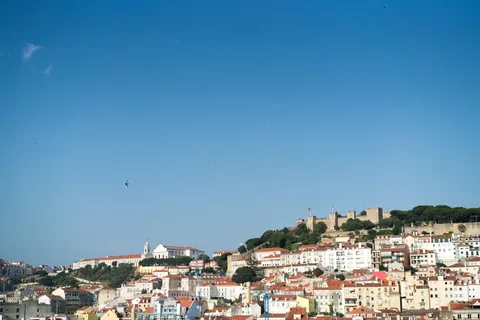
Alfama is Lisbon's Moorish quarter, climbing steeply from the waterfront toward São Jorge Castle. It is also where Fado — Portugal's melancholic urban song tradition — originated, and the neighborhood's old-school tascas still carry that atmosphere.
Look for small restaurants on the streets running parallel to and below the main tourist drag of Rua de São Miguel. The clientele at lunch tends to be local workers and older residents. Grilled sardines (sardinhas assadas) are the emblematic dish here, especially in summer. You will also find good caldo verde (kale and potato soup with a slice of chouriço) and braised pork dishes served in clay pots.
A practical note: many Alfama tascas do not take reservations and are cash only. Arrive at noon or shortly after for the best seat and the widest selection from the day's menu. By 1:30 pm the best options are often sold out.
Mouraria: Where Lisbon's Flavors Meet
Mouraria sits just above Alfama and has one of the most interesting food environments in the city. It was historically a multicultural quarter and remains one today, with Portuguese tascas sitting alongside Indian, Bangladeshi, and Mozambican restaurants.
The area around Rua do Capelão and Rua da Mouraria has several tascas that have been operating for decades. These are not restaurants anyone would call stylish, but the bacalhau preparations here — baked with olive oil and potatoes (bacalhau à Brás style, scrambled with eggs and matchstick fries, is the most common) — are reliably excellent. Portugal has hundreds of traditional bacalhau recipes, and Mouraria is a good place to work through several of them across multiple visits.
The Intendente square, at the top edge of Mouraria, has become a destination in its own right. A morning visit will turn up good coffee and pastries; the lunch crowd skews young and local.
Belém: More Than the Famous Pastry
Belém is primarily visited for the Jerónimos Monastery and the Tower of Belém, and tourists are thick on the ground here. The one essential food stop is Pastéis de Belém on Rua de Belém — the original home of the pastel de nata, operating since 1837. The recipe for their version, called pastel de Belém rather than pastel de nata to distinguish it, is a trade secret and the custard tart you eat here is meaningfully different from the versions sold across the rest of the city. Order them dusted with cinnamon and powdered sugar, eat them at the counter while they are still warm.
Beyond the pastry, Belém has a small market and several riverfront restaurants that do well with grilled fish. Lunch with a view of the Tagus is worth the slower pace and slightly higher prices compared to downtown.
Baixa and Chiado: Navigating the Tourist Center
The historic downtown is where the density of tourist-oriented restaurants is highest, but good eating is still possible if you know what to look for. Cervejarias in this part of the city — particularly the older, tiled ones — serve excellent percebes (barnacles), prawns, and clams in white wine and garlic (amêijoas à Bulhão Pato). These shellfish dishes are expensive by Portuguese standards but genuinely excellent.
For cheaper, faster eating, the bifana is Lisbon's working-class sandwich: thin pork cutlet, cooked quickly in lard and white wine, served in a soft roll. A good bifana eaten standing at a counter in Baixa is one of the best €3 to €4 meals you will have in any European city.
The Mercado da Ribeira (Time Out Market) on the waterfront is popular and convenient but represents a curated, expensive version of Lisbon food culture rather than the original. It is useful for a single visit to try several things quickly; it should not substitute for eating in actual neighborhoods.
LX Factory and Alcântara: The Weekend Market Scene
LX Factory, a repurposed industrial complex in Alcântara west of the center, hosts a Sunday market (Mercado de Fusão) that has become a genuine gathering point for Lisbon residents. The food stalls here are more varied and interesting than at Ribeira Market, and the crowd is significantly more local. It is worth timing a Sunday in Lisbon around this.
The surrounding Alcântara and Santos neighborhoods have developed a strong restaurant scene over the past decade. This is where you find natural wine bars with serious small-plates menus, modern takes on Portuguese classics using regional producers, and the kind of cooking that reflects what younger Lisbon chefs are actually interested in. Prices are moderate by western European standards.
Practical Eating Advice
Meal times matter. Lunch runs from roughly noon to 3 pm; dinner rarely starts before 8 pm and the kitchen stays open until 11 pm or later. Showing up at 6 pm expecting dinner service will result in closed doors or a limited menu.
The bread and butter brought to your table is not free. This is standard Portuguese restaurant practice: the couvert (cover charge) includes bread, butter, olives, and sometimes cheese. You are charged per person only for what you eat; you can decline it, though most find it worth keeping.
Water is not automatically served. Ask for água da torneira (tap water) to avoid being charged for bottled water, which is fine to drink throughout Portugal.
Coffee culture is specific. A bica is the standard Lisbon espresso, short and strong. Galão is the milky option, served in a tall glass. Coffee is almost always taken standing at the counter and costs between €0.80 and €1.20. Sitting down at a café table typically doubles the price.
Dishes to Seek Out
Dish
What It Is
Where to Find It
Sardinhas assadas
Charcoal-grilled sardines
Alfama tascas, summer months
Bacalhau à Brás
Salt cod scrambled with eggs and shoestring fries
Any traditional tasca
Amêijoas à Bulhão Pato
Clams in white wine, garlic, and coriander
Cervejarias in Baixa and Chiado
Bifana
Pork shoulder sandwich in seasoned roll
Standing bars in Baixa
Caldo verde
Kale soup with potato and chouriço
Tascas everywhere
Pastel de nata / Pastel de Belém
Custard tart in flaky pastry
Every pastelaria; best at Pastéis de Belém
Percebes
Goose barnacles
Seafood restaurants and cervejarias
Açorda alentejana
Bread-based soup with egg and coriander
Traditional tascas, especially at lunch
Frequently Asked Questions
Is Lisbon an expensive city to eat in?
By western European standards, no. A full lunch with wine at a traditional tasca typically costs €10 to €15 per person. Seafood, particularly shellfish, runs higher. The most tourist-facing restaurants in Alfama and near the viewpoints charge significantly more for comparable food.
Do I need to book restaurants in advance?
For casual tascas, no — and many do not take reservations at all. For dinner at well-regarded modern Portuguese restaurants or popular spots in Alcântara and Santos, booking one to three days ahead is advisable, particularly on weekends.
Are vegetarian options available?
Traditional Portuguese cuisine is heavily meat and fish-oriented, and most tascas have limited vegetarian options beyond egg dishes, soups, and side vegetables. The modern restaurant scene in Alcântara, Príncipe Real, and Mouraria's newer spots is considerably more accommodating.
What should I order if I have never eaten Portuguese food before?
Start with a prato do dia including bacalhau, try a bifana for a quick lunch, and finish any meal at a pastelaria with a pastel de nata and a bica. These three things will tell you more about Lisbon's food culture than any restaurant list.
A Final Orientation
Lisbon rewards slow eaters and curious walkers. The best meal you have here will probably happen because you followed a smell, saw a handwritten sign in a window, or took a recommendation from a hotel housekeeper rather than a travel app. The city's food infrastructure — its tascas, its mercearias, its morning markets — is still largely intact and still largely oriented toward the people who live here. That is the access point worth finding.